

Proper ventilation is a critical component of maintaining a healthy and structurally sound home environment, yet the bathroom is often the most overlooked area regarding air circulation. Excessive moisture generated from hot showers and baths can lead to a host of problems, ranging from peeling wallpaper to serious health hazards. Understanding the Benefits of bathroom window exhaust fan usage is essential for homeowners looking to protect their property and improve indoor air quality. If you are ready to tackle this improvement project, learning How to install exhaust fan in bathroom window is the vital first step toward a drier, healthier bathroom.
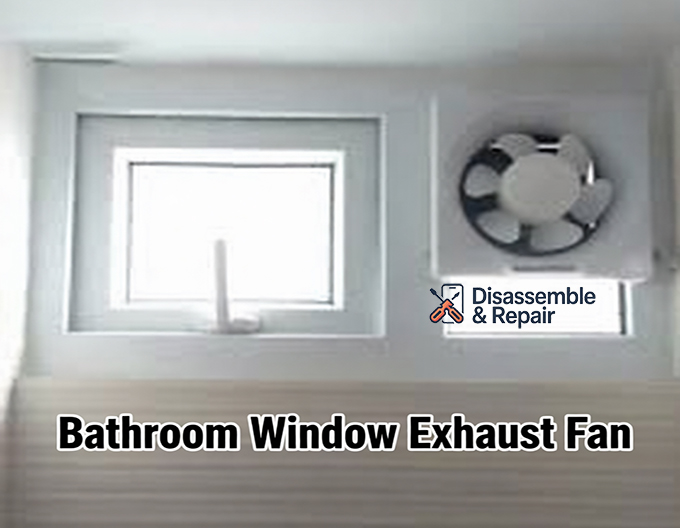
Superior Moisture Control and Humidity Reduction
The primary function of any bathroom fan is to remove moisture, but window-mounted units are particularly efficient at exchanging indoor air with fresh outdoor air. When you take a hot shower, the relative humidity in the bathroom spikes rapidly. Without a way to escape, this steam condenses on cold surfaces such as mirrors, windows, and walls. Over time, this recurring condensation can seep into drywall and woodwork.
One of the most significant Benefits of bathroom window exhaust fan systems is their ability to rapidly expel this humid air directly outside without the need for complex ductwork. By creating negative pressure, the fan pulls dry air from the adjacent room into the bathroom while pushing the wet, heavy air outdoors. This immediate exchange significantly reduces the “foggy mirror” effect and keeps surfaces drier, thereby extending the lifespan of your paint and fixtures.
Prevention of Mold and Mildew Growth
For health-conscious individuals, the prevention of mold is perhaps the most compelling reason to install a ventilation system. Mold and mildew thrive in damp, stagnant environments. Once established, mold spores can spread quickly, causing allergic reactions, respiratory issues, and unsightly black or green patches on grout and ceilings.
A window exhaust fan disrupts the environment that mold requires to grow. By consistently lowering the humidity levels after bathing, you remove the moisture source that spores need to reproduce. This is not merely a cosmetic benefit; it is a proactive health measure. Relying solely on an open window is often insufficient, as weather conditions may prevent you from keeping it open, or the passive airflow may not be strong enough to dry the room quickly. A dedicated fan ensures consistent, forced ventilation regardless of the wind outside.
See more Replace an Old Bathroom Exhaust Fan in 7 Steps
Enhanced Air Quality and Odor Elimination
Beyond moisture, bathrooms can be sources of unpleasant odors and chemical fumes from cleaning products. A window exhaust fan serves as an immediate solution for odor control, removing smells before they can permeate the rest of the home. This contributes to a fresher, more pleasant living environment.
Furthermore, many bathroom cleaners contain volatile organic compounds (VOCs) that can linger in the air. Proper ventilation ensures these harsh chemicals are vented outside rather than inhaled by the home’s occupants. This aspect of air quality control highlights the multifaceted Benefits of bathroom window exhaust fan installations, proving they are as much about respiratory health as they are about humidity.
Protection of Home Infrastructure
The cumulative effect of moisture can be devastating to a home’s infrastructure. High humidity can cause:
- Wood rot: Window frames, door jams, and vanity cabinets can warp or rot when exposed to constant dampness.
- Metal corrosion: Fixtures, hinges, and towel racks may rust prematurely.
- Grout and caulk degradation: Constant wetness can cause caulk to peel and grout to crumble, leading to water leaks behind tiles.
By installing a window exhaust fan, you are effectively investing in the longevity of these materials. The cost of installing a fan is negligible compared to the expense of replacing rotted subflooring or retiling an entire bathroom due to water damage.
Simplified Installation and Cost-Effectiveness
Compared to ceiling-mounted fans, window exhaust fans offer a distinct advantage regarding installation complexity. Ceiling fans often require cutting into drywall, running extensive ductwork through the attic, and cutting holes in the roof or soffit for venting. This can be a daunting and expensive task, often requiring professional assistance.
Window fans, however, fit directly into the existing window opening. This eliminates the need for ducting, making it a more accessible DIY project for many homeowners. Before beginning the setup, ensuring you have the correct Tools for Bathroom Window Fan Installation is essential for a smooth process. The simplified installation translates to lower labor costs and less disruption to your home structure. Because the path for air to exit is immediate—straight through the window—the motors often do not need to work as hard as those pushing air through long ducts, potentially leading to better energy efficiency and longevity of the unit.
Energy Efficiency and Temperature Regulation
In addition to moisture control, these fans can play a role in regulating the temperature of your home. During warmer months, a bathroom window fan can be used to exhaust hot air that accumulates at the top of the house, drawing in cooler evening air from other windows. This passive cooling technique can reduce the load on your air conditioning system.
Conversely, in the winter, moisture control becomes even more critical. Cold windows attract condensation more aggressively than warm ones. While you generally want to keep heat in, running the fan for just 15-20 minutes after a shower is a small energy trade-off to prevent the significant damage caused by ice buildup on windows or damp insulation in the walls.
Choosing the Right Fan for Your Space
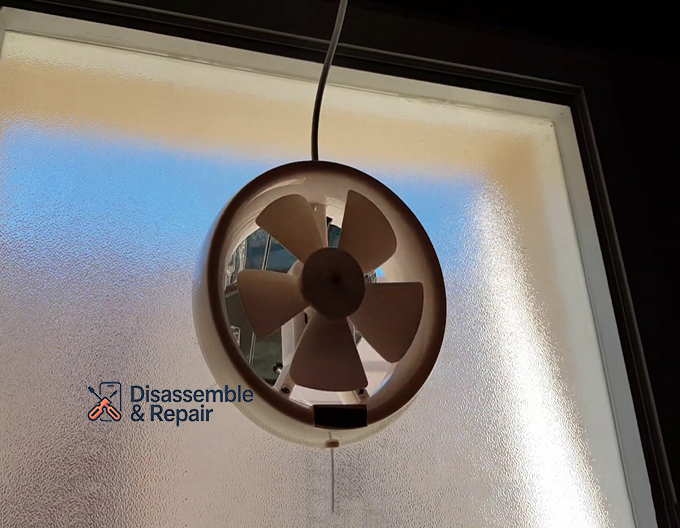
To fully realize the benefits, it is important to select a fan that fits the size of your bathroom. Fans are rated by CFM (Cubic Feet per Minute), which measures the volume of air they can move. A fan that is too small will not dry the room effectively, while one that is too large may be unnecessarily noisy and drafty.
When selecting a model, consider features such as:
- Reversible airflow: Allows you to bring fresh air in or push stale air out.
- Variable speeds: Lets you control the noise level and ventilation rate.
- Automatic shutters: Prevents insects and drafts from entering when the fan is not in use.
Conclusion
The decision to install a ventilation system in your bathroom is an investment in both your property’s value and your family’s health. From preventing the destructive spread of mold to ensuring the longevity of your home’s woodwork and fixtures, the advantages are clear. The Benefits of bathroom window exhaust fan systems extend far beyond simple steam removal; they provide a comprehensive solution for air quality, odor control, and structural preservation. By ensuring proper installation and regular use, homeowners can transform a damp, problematic bathroom into a clean, dry, and comfortable sanctuary.