
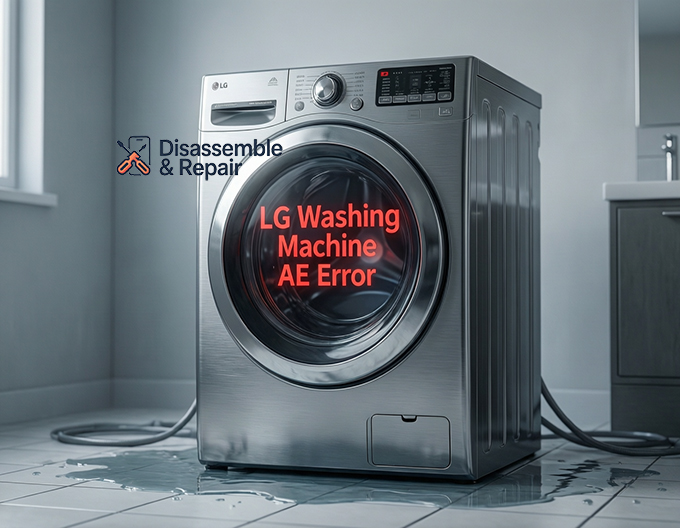
If your appliance display suddenly flashes the LG washing machine AE error, it indicates a specific safety protocol has been triggered to prevent water damage. This code generally points to a leak or overflow situation where the internal monitoring system has detected moisture in the base of the unit. While this can be alarming, it is often a protective measure initiated by the overflow protection system to stop the machine from operating until the leak is addressed.
This guide provides a professional, step-by-step approach to diagnosing and resolving the issue, ensuring your front load washer returns to optimal performance.
Read more How to open LG washing machine door during cycle
Understanding the AE Error Code
The AE error is fundamentally a leak detection alert. Modern LG washers are equipped with a safety feature often referred to as Aqua lock or a similar flood protection system. This system relies on a leakage sensor or float switch located in the base pan of the machine—the very bottom compartment underneath the drum.
When water accumulates in this pan due to a leak or overflow, the float switch rises, sending a signal to the control board to cut power to the cycle and display the AE code. This prevents the machine from filling further and potentially flooding your home.
Immediate Steps: Power Reset and Inspection
Before dismantling any components, perform a basic system reset to rule out electronic glitches.
- Perform a Power Reset: Turn off the washer and unplug it completely from the electrical outlet. Press and hold the Start/Pause button for 5 seconds to dissipate any residual static electricity. Leave the machine unplugged for at least 10 to 15 minutes.
- Inspect for External Leaks: While the machine is off, check the floor around the unit. Look for wet spots near the water supply taps or the back of the washer.
- Restart: Plug the machine back in and attempt to run a Rinse & Spin cycle. If the error clears, it may have been a temporary sensor error. If the “LG washing machine AE error” persists, there is likely standing water in the base pan that needs to be addressed.
Diagnosis and Repair of the LG Washing Machine AE Error
If the reset fails, you must identify the source of the water accumulation. The following components are the most common culprits.
1. Draining the Base Pan
To reset the sensor, the water in the base pan must be removed.
- Safety First: Ensure the machine is unplugged.
- Tilt Method: Carefully tilt the washer backward at a 45-degree angle (you may need a second person for assistance). This allows water trapped in the base pan to drain out onto the floor. Have towels ready to catch the water.
- Result: Once the pan is dry, the float switch should lower, resetting the error. However, this is only a temporary fix; you must find the leak to prevent the error from returning.
2. Inspecting the Drain Hose and Connections
A compromised drain hose is a frequent cause of leaks.
- Check the connection points where the hose attaches to the back of the washer and the home plumbing.
- Look for cracks, kinks, or splits along the length of the hose.
- Ensure the hose is not submerged too deeply into the standpipe, which can sometimes cause siphoning and backflow.
3. Checking the Drain Pump and Filter
The drain pump area is susceptible to leaks if the filter is not seated correctly or if the pump housing is cracked.
- Locate the debris filter access panel on the front bottom of the washer.
- Open the small drain tube to empty residual water into a shallow container.
- Unscrew the debris filter and clean it thoroughly. Ensure the rubber seal on the filter is intact and free of debris before reinserting it. A loose filter is a common source of slow leaks that trigger the leakage sensor.
4. Examining the Inlet Valve
The water inlet valve, located at the back of the machine where the hot and cold water lines connect, can develop hairline cracks or loose electrical solenoids over time.
Read more LG washing machine E5 error
- Remove the top panel of the washer (usually secured by screws at the back).
- Visually inspect the inlet valve assembly for signs of corrosion or moisture. If you see water dripping from this area, the valve must be replaced to permanently fix the AE error.
5. Internal Hoses and Tub
Inside the machine, several rubber hoses connect the dispenser, tub, and pump.
- With the top panel removed, inspect the hose leading from the detergent dispenser to the tub. High water pressure or excessive foam can sometimes cause this connection to leak.
- Check the bellows (the large rubber door seal) for tears. If the seal is damaged, water can run down the front inside of the cabinet and into the base pan.
Advanced Troubleshooting: Float Switch and Control Board
If no physical leak is found, the issue may lie with the sensor system itself.
- Float Switch Mechanism: Sometimes, the float switch in the base pan can get stuck in the “up” position due to debris or dried detergent residue. Accessing the bottom of the machine (typically by removing the back panel or tipping the unit) allows you to manually inspect the switch. Ensure it moves freely and clicks when depressed.
- Wiring and Control Board: In rare cases, damaged wiring harnesses can send false signals to the control board. Inspect wires leading to the leak sensor for signs of wear or rodent damage. If the wiring is intact and the sensor is dry but the error remains, the sensor itself may need replacement.
Prevention and Maintenance
To prevent the LG washing machine AE error from recurring, follow these best practices:
Read more LG washing machine dE2 error
- Use High-Efficiency (HE) Detergent: Excess suds can trigger overflow protection mechanisms. Always use the correct amount of HE detergent.
- Regular Cleaning: Clean the drain pump filter monthly to prevent blockages that increase internal pressure and cause leaks.
- Hose Maintenance: Replace rubber inlet hoses every 5 years to prevent bursting or degradation.
By systematically checking these components—from the drain hose to the internal float switch—you can effectively diagnose the root cause of the leak and clear the AE error from your LG washer.
Frequently Asked Questions
What specifically triggers the AE error on my LG washing machine?
The AE error is triggered by a safety mechanism called the Aqua lock or flood protection system. It relies on a float switch located in the base pan at the very bottom of the unit. When this sensor detects water accumulation—whether from a leak, a component failure, or an overflow—it cuts power to the cycle to prevent water damage to your home.
Can I clear the AE error simply by resetting the machine?
A power reset (unplugging the machine for 10 to 15 minutes) may clear the code if it was caused by a temporary electronic glitch. However, if there is actual water trapped in the base pan, the float switch will remain active, and the error will return. You will likely need to drain the internal pan by tilting the machine or allowing it to dry before the code clears permanently.
Why is the error appearing even though my floor is dry?
The AE error is designed to be a proactive safety measure. The internal base pan is meant to catch water before it ever reaches your floor. Even a small leak from an internal hose, the detergent dispenser, or the pump can collect enough water inside the machine’s chassis to trigger the sensor without a single drop landing on your laundry room floor.
How does using the wrong detergent lead to an AE error?
Using non-HE (High-Efficiency) detergent or excessive amounts of soap creates “oversudsing.” These extra suds can leak out of the air vents or the detergent drawer and travel down the internal frame into the base pan. Once the moisture or foam triggers the float switch, the machine will stop and display the AE code.
What is the most common hardware failure associated with this code?
Outside of simple blockages, the most frequent culprits are a loose or improperly seated drain pump filter, a torn door bellows (the large rubber seal), or a cracked water inlet valve. Regularly checking and cleaning the drain filter is the best way to prevent the leaks that lead to an AE error.