

Maintaining the hygiene of your laundry appliance is essential for the longevity of the machine and the cleanliness of your clothes, yet many users are unsure how to clean Samsung front load door gasket effectively. This specific component, technically known as the door bellows or rubber seal, is critical for water containment but serves as a common trap for moisture, debris, and bacteria. Without regular attention, this area can become the source of unpleasant smells and unsightly black spots that transfer onto your freshly washed linens.
As a Senior home appliance maintenance expert, I have compiled a detailed guide to help you restore your machine to peak condition. This article covers everything from deep cleaning techniques to preventative measures, ensuring your Samsung washer remains efficient and odor-free.
Understanding the Vulnerability of the Rubber Seal
Before diving into the cleaning process, it is important to understand why the rubber seal is so prone to contamination. Unlike top-loading washing machines, front loaders rely on a watertight seal to prevent leaking during operation. This seal is designed with multiple folds to allow for the vibration and movement of the drum.
However, these folds create a humid environment where water can stagnate. Combined with organic matter from soiled clothes and detergent residue, this environment becomes a breeding ground for mold and mildew. If you utilize standard detergent instead of high-efficiency (HE detergent), the excess suds can leave a film on the gasket that acts as a food source for fungal growth. Over time, this results in the dreaded “front loader smell” and can eventually degrade the rubber, leading to leaks.
Essential Tools and Safety Preparation
To perform a professional-grade cleaning, you will need to gather the correct supplies. Using the right tools ensures you do not damage the rubber material while effectively achieving odor removal.
Recommended Supplies:
- Microfiber cloth: Essential for wiping down surfaces without leaving lint.
- White vinegar: A natural acid that breaks down mineral deposits and kills mild mold.
- Bleach solution: A mixture of chlorine bleach and water (1:4 ratio) for severe mold infestations.
- Soft-bristled toothbrush: To scrub the drainage holes and tight crevices.
- Protective gloves: To protect your skin from harsh chemicals and mold spores.
- Hot water: To rinse and aid in dissolving residue.
Safety Note: Never mix white vinegar and bleach solution. Combining these creates toxic chlorine gas. Choose one cleaning agent based on the severity of the mold and your preference for chemical vs. natural cleaning.
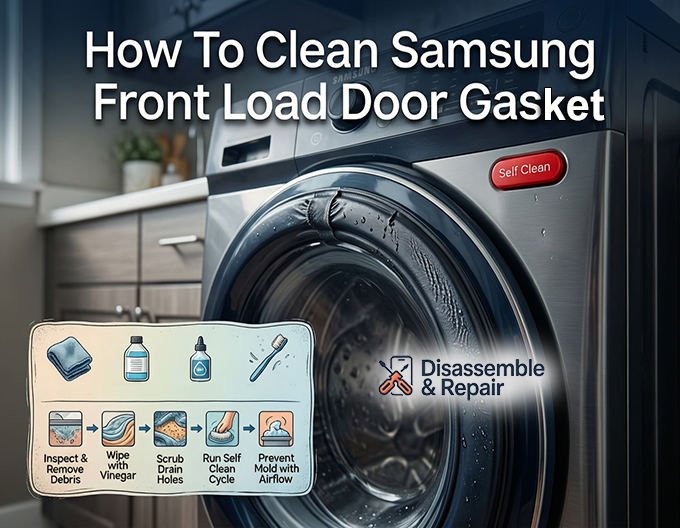
Step-by-Step: How to Clean Samsung Front Load Door Gasket
This section outlines the precise methodology for cleaning the seal. Follow these steps sequentially for the best results.
1. Inspection and Debris Removal
Open the washer door as wide as possible. Peel back the fold of the rubber seal to inspect the interior crevice. This area is a catch-all for small items like coins, buttons, hairpins, and lint. Manually remove any foreign objects. If left inside, these items can block the drainage holes, preventing water from exiting the seal after a cycle, which accelerates mold growth.
2. Initial Surface Wipe
Using a damp microfiber cloth and warm water, wipe the exterior and interior of the gasket. This step removes the superficial layer of slime and detergent residue. Be thorough, ensuring you wipe the underside of the upper seal and the deep recesses of the bottom fold.
3. Deep Cleaning the Mold
Depending on the level of contamination, choose your cleaning agent:
- For General Maintenance (White Vinegar): Soak your cloth or a sponge in undiluted white vinegar. Wipe the entire gasket vigorously. For stubborn spots, soak a towel in vinegar and tuck it into the fold of the seal. Leave it there for at least one hour. The acidity will break down the mildew and neutralize odors.
- For Severe Mold (Bleach Solution): If you see significant black mold spots, vinegar may not be strong enough. Mix a solution of one part liquid chlorine bleach to four parts water. Dip your cloth (wearing gloves) and scrub the moldy areas. Similar to the vinegar method, you can leave a bleach-soaked towel tucked in the seal for an hour to kill the roots of the mold.
4. Scrubbing the Drainage Holes
Look closely at the bottom of the door bellows. You will see small perforations designed to let water flow back into the drum or out to the drain pump. These are the drainage holes. If they are clogged with gunk, water remains trapped in the seal. Dip a soft toothbrush into your cleaning solution and gently scrub these holes to ensure they are clear. This is a crucial step often missed by homeowners.
5. Final Rinse and Dry
Once the scrubbing is complete and the soaking towels are removed, use a fresh cloth dampened with plain hot water to rinse the gasket thoroughly. You want to ensure no bleach or vinegar residue remains, as prolonged exposure to harsh chemicals can eventually make the rubber brittle. Dry the seal completely with a dry towel.
Read more How to clean Samsung detergent dispenser
Leveraging the Self Clean Cycle
After manually cleaning the gasket, it is vital to address the rest of the machine. The contamination on the seal often indicates that the drum and tub also require attention. Samsung washers are equipped with a Self Clean cycle (or Self Clean+ on some models) specifically designed for this purpose.
The Self Clean cycle uses extremely hot water and high-speed drum rotation to scour the inside of the machine without the need for harsh chemical additives, though some users prefer adding a drum cleaning tablet for extra efficacy. This cycle helps flush out the loosened mold spores and detergent residue that you may have dislodged during the manual cleaning of the gasket.
To run this cycle:
- Ensure the washer drum is completely empty.
- Select the “Self Clean” setting on your dial or control panel.
- Press start. The machine will fill with hot water and agitate vigorously.
- Once the cycle is complete, wipe the door and the gasket one last time to remove any residue left behind by the cleaning water.
Preventative Maintenance for Long-Term Results
Now that you have successfully cleaned the unit, the goal is to prevent the recurrence of mold and mildew. Implementing a few behavioral changes in your laundry routine can significantly reduce the frequency of deep cleanings required.
Switch to HE Detergent
Always use High-Efficiency (HE detergent) for front load washers. Regular detergents create excessive suds that the machine cannot rinse away effectively with its low-water usage. These suds settle on the door bellows and dry into a sticky film that attracts dirt and bacteria. furthermore, strictly follow the manufacturer’s recommended dosage; more detergent does not equal cleaner clothes, it equals more residue.
Managing Moisture and Airflow
The most effective way to prevent mold is to allow the machine to dry out between uses.
Read more Samsung washer cycle
- Leave the Door Ajar: When the washer is not in use, leave the door slightly open. This allows air to circulate through the drum cleaning area and the gasket, evaporating residual moisture.
- Open the Detergent Drawer: Remove or pull out the detergent dispenser drawer to allow airflow through the internal piping.
The Post-Wash Wipe Down
Get in the habit of keeping a dry microfiber cloth near the washer. After every load of laundry, quickly wipe the moisture out of the rubber seal’s fold. Taking ten seconds to do this removes the water that would otherwise sit stagnant for days.
Troubleshooting: When Cleaning Is Not Enough
In some cases, you may follow the guide on how to clean Samsung front load door gasket perfectly, yet the stains persist. The rubber seal is a porous material. If black mold has been allowed to grow for years, it may have penetrated deep into the rubber structure. In this scenario, surface cleaning will not remove the discoloration, although it may remove the surface bacteria.
If the seal is permanently stained, brittle, sticky, or has tears, cleaning is no longer a viable option. You will need to replace the door bellows entirely. A compromised seal can lead to significant water leaks that can damage your flooring. Replacement is a more involved repair but is necessary for the continued operation of the machine.
Conclusion
A front-loading Samsung washer is a sophisticated appliance that offers superior cleaning performance and water efficiency, but it requires a proactive maintenance schedule. The rubber gasket is the first line of defense against leaks, but it is also the first place where hygiene issues arise.
Read more How to clean drain pump on Samsung Washer
By regularly inspecting the seal, using white vinegar or a bleach solution for deep cleans, clearing the drainage holes, and utilizing the Self Clean cycle, you can ensure your machine remains fresh. Remember that prevention is key: using the correct HE detergent and allowing the drum to dry are small steps that make a massive difference in preventing odor removal issues in the future. Treat your appliance with care, and it will continue to provide pristine laundry results for years to come.
Frequently Asked Questions
Can I use vinegar and bleach together for a deeper clean?
No, you must never mix white vinegar and bleach. Combining these two cleaning agents creates toxic chlorine gas, which is extremely dangerous if inhaled. Choose one or the other based on your needs: use vinegar for general maintenance and odor removal, or a diluted bleach solution for severe black mold infestations. Always rinse the gasket thoroughly after using either one.
Why is it important to scrub the drainage holes in the gasket?
The small perforations at the bottom of the rubber seal are designed to allow excess water to drain back into the drum or out through the pump. Over time, these holes can become clogged with lint, hair, or detergent gunk. If they are blocked, water stays trapped in the folds of the seal, creating the perfect environment for mold and mildew to grow. Using a soft toothbrush to keep these holes clear is essential for preventing odors.
How can I prevent mold from returning after I have cleaned the gasket?
The most effective way to prevent mold is to manage moisture and airflow. Always use high-efficiency (HE) detergent in the correct amounts to avoid residue buildup. After every laundry session, use a microfiber cloth to wipe the moisture out of the seal and leave the washer door slightly ajar so the interior can air dry. Additionally, pulling the detergent drawer out between uses helps evaporate residual water in the internal pipes.
What should I do if the black spots on the rubber seal won’t come off?
If you have performed a deep clean with a bleach solution and the black spots remain, the mold may have penetrated the porous structure of the rubber. When mold is left untreated for long periods, it can permanently stain the seal. If the gasket is stained but still intact, it is safe to use; however, if the rubber feels sticky, brittle, or has visible tears, you should replace the door bellows entirely to prevent leaks and further hygiene issues.