

Whirlpool Refrigerator Water Line Installation
Whirlpool Refrigerator Water Line Installation: A Comprehensive Guide
Ensuring a proper Whirlpool refrigerator water line installation is the single most important step to enjoying filtered water and crystal-clear ice from your appliance. Whether you are upgrading your kitchen or installing a brand-new unit, this process requires precision, the right materials, and a clear understanding of plumbing connections to prevent leaks and ensure longevity.
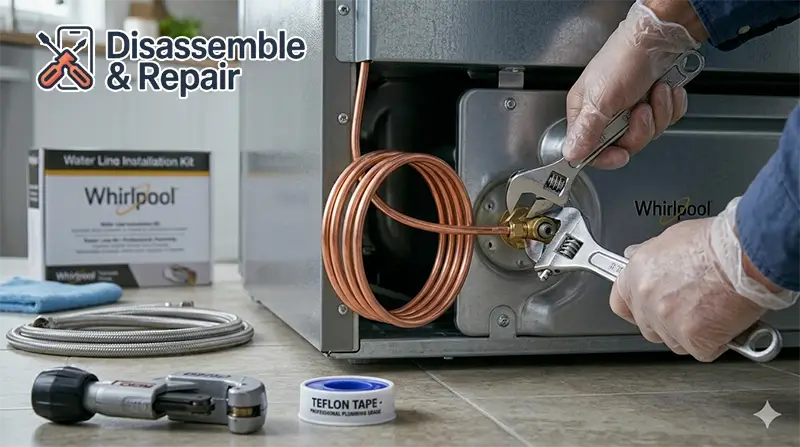
A professional installation not only guarantees a steady flow of water to your ice maker and water dispenser but also protects your home from potential water damage caused by faulty connections. This guide will walk you through the entire process, from selecting the correct tubing to troubleshooting common pressure issues, ensuring your Whirlpool refrigerator operates at peak performance.
Read more whirlpool refrigerator stainless steel cleaning
Essential Tools and Materials
Before beginning the installation, gather all necessary supplies. Using the correct parts is critical for a leak-free system.
Required Tools
- Adjustable Wrenches: Two are typically needed—one to hold the valve and one to tighten the compression nut.
- Drill and Bits: Required if you need to drill through cabinets or flooring to route the line.
- Tube Cutter: For making clean, square cuts on copper tubing or PEX tubing.
- Bucket and Towel: To catch water during the flushing process.
Required Materials
- 1/4 Inch Supply Line: This is the standard diameter for refrigerator water lines. You must choose between copper, PEX, or braided stainless steel.
- Water Shut-off Valve: A dedicated tee-stop valve is recommended over a self-piercing saddle valve for reliability.
- Compression Fittings: These include the compression nut and the sleeve (ferrule).
- Plumber’s Tape (Teflon Tape): Useful for threaded connections, though often not needed for compression fittings themselves.
H2: Step-by-Step Whirlpool Refrigerator Water Line Installation
Follow these steps carefully to ensure a secure and professional installation.
Step 1: Locate and Prepare the Cold Water Supply
The first step is identifying the nearest cold water line. This is often located under the kitchen sink, but it could also be a pipe running through the basement or floor joists below the refrigerator.
- Shut Off the Main Water: Locate your home’s main water shut-off valve and turn it off. Open a faucet on the same floor to relieve pressure in the pipes.
- Choose the Valve Point: Ideally, install a dedicated shut-off valve. While a saddle valve is a common, cheaper option included in many kits, professional plumbers often advise against them because they are prone to clogging and leaking over time. A proper tee-stop valve installed into the copper pipe provides a much more secure and permanent solution.
Step 2: Route the Tubing
Once your valve is installed, you need to run the tubing to the refrigerator’s location.
- Drill Access Holes: If running the line through cabinets, drill a hole near the back or bottom of the cabinet.
- Protect the Tubing: Be careful not to kink or pinch the tubing. If you are using copper tubing, uncoil it gently to avoid crimping, which can restrict water flow.
- Leave Extra Length: Always leave about 6 to 8 feet of extra tubing coiled behind the refrigerator. This “service loop” allows you to pull the refrigerator out for cleaning or servicing without disconnecting the water line.
Step 3: Connect the Tubing to the Water Supply
Now, connect your 1/4 inch supply line to the shut-off valve you installed.
- Prepare the End: Slide the compression nut and then the ferrule (sleeve) onto the tubing.
- Insert the Tubing: Push the tubing into the valve outlet as far as it will go.
- Tighten the Fitting: Slide the ferrule and nut down to the threads. Hand-tighten the nut, then use an adjustable wrench to tighten it one additional turn. Do not overtighten, as this can crush the copper or damage the plastic tubing.
Step 4: Flush the Water Line
This is a critical step that is often overlooked. Before connecting the line to the fridge, you must flush out debris.
- Position the Line: Place the open end of the supply line into a bucket.
- Turn on Water: Slowly open the water shut-off valve.
- Flush: Let the water run for a minute or two until it runs clear. This removes any copper shavings, flux, or manufacturing debris that could clog the water filter or the water inlet valve on the fridge.
Step 5: Connect the Water Line to the Refrigerator
Move the refrigerator into position, ensuring you have access to the back panel.
- Locate the Inlet: Find the water inlet valve at the bottom rear of the unit. It often has a plastic cap that needs to be removed.
- Make the Connection: Just like at the supply end, slide a compression nut and ferrule onto the tubing. Insert the tubing into the refrigerator’s inlet port.
- Note for PEX/Plastic: If using PEX tubing, you must use a brass insert inside the tube end to prevent it from collapsing under the pressure of the compression fitting.
- Tighten: Tighten the nut securely using your wrench.
- Turn On and Check: Turn the water supply on fully. Check all plumbing connections for weepage or drips. If a leak appears, tighten the nut slightly until it stops.
Choosing the Right Material: Copper vs. PEX vs. Braided
Selecting the right material for your Whirlpool refrigerator water line installation affects both durability and water taste.
Copper Tubing
- Pros: Extremely durable, naturally resistant to bacteria, and unlikely to add a plastic taste to the water.
- Cons: Can kink easily if mishandled. Harder to work with than plastic.
- Verdict: The professional standard for longevity.
PEX Tubing
- Pros: Flexible, easy to route through cabinets, and resistant to scaling.
- Cons: Must be installed correctly with a support insert. Cheaper versions may degrade over many years.
- Verdict: A great modern alternative that balances ease of installation with durability.
Braided Stainless Steel
- Pros: The easiest to install. It is essentially a rubber tube encased in steel mesh, offering high burst strength.
- Cons: Lengths are fixed (e.g., 10ft, 20ft), so you cannot cut it to a custom size.
- Verdict: Excellent for DIYers who want a “plug-and-play” solution without handling compression rings manually.
Troubleshooting Common Issues
Even with a perfect installation, issues can arise. Here is how to handle common problems with your Whirlpool water system.
Leaking at the Compression Fitting
If you see water dripping from the connection point:
- Cause: The compression nut is likely not tight enough, or the tubing is not seated fully.
- Fix: Turn off the water and loosen the nut. Ensure the tubing is pushed in straight. Retighten the nut carefully. If the leak persists, the ferrule may be damaged and needs replacement.
No Water or Slow Flow
If the water dispenser is sluggish or the ice maker produces hollow cubes:
- Check the Saddle Valve: If you used a saddle valve, the needle may not have pierced the pipe fully, or it may be clogged with sediment.
- Inspect for Kinks: Pull the fridge out and check the copper tubing or PEX line for sharp bends that restrict flow.
- Water Filter: A clogged water filter is the most common cause of low pressure. Replace it every 6 months.
Ice Maker Not Working
If the water works but the ice maker does not:
- Verify the Arm: Ensure the wire shut-off arm on the ice maker is in the “down” (on) position.
- Check the Line: Ensure the cold water line isn’t frozen. This can happen if the fridge temperature is set too low or if the line runs through an uninsulated wall.
Safety and Best Practices
Avoid Saddle Valves
While convenient, saddle valves are prohibited by code in some areas because they rely on a rubber gasket to seal a puncture hole. Over time, this rubber dries out and fails, causing significant leaks. Whenever possible, cut the pipe and install a proper tee fitting with a ball valve.
Electrical Safety
Always unplug the refrigerator before working on the back panel or making connections near the water inlet valve. Water and electricity are a dangerous combination.
Read more whirlpool refrigerator evaporator fan replacement
Regular Maintenance
- Inspect connections annually. Look for signs of corrosion (green oxidation on copper) or moisture.
- Replace the supply line if you notice any brittleness in plastic tubing or deep kinks in copper.
Conclusion
Completing a Whirlpool refrigerator water line installation is a rewarding project that adds significant convenience to your kitchen. By choosing high-quality materials like copper tubing or PEX, avoiding unreliable valves, and securing your plumbing connections properly, you ensure a safe and reliable water supply.
Remember to flush the system thoroughly after installation to remove air and debris. With these steps, your Whirlpool refrigerator will provide refreshing water and ice for years to come.
Frequently Asked Questions
Can I use the saddle valve that came with my installation kit?
While saddle valves are often included in DIY kits because they are easy to install, they are not recommended by professional plumbers. They are prone to leaking over time and can easily become clogged with mineral deposits. For a more reliable and permanent connection, it is better to install a dedicated tee-stop valve.
Why should I leave extra tubing behind the refrigerator?
It is important to leave a “service loop” of approximately 6 to 8 feet of tubing coiled behind the unit. This extra length allows you to pull the refrigerator away from the wall for cleaning, maintenance, or repairs without having to disconnect the water supply or risking a snapped line.
Read more whirlpool french door refrigerator problems
What is the best material to use for a refrigerator water line?
The choice depends on your priorities. Copper tubing is the professional standard for longevity and durability. Braided stainless steel is the best choice for DIYers because it is highly resistant to bursting and does not require manual handling of compression sleeves. PEX tubing is a great middle-ground option that is flexible and resistant to scale buildup.
Why is my water dispenser flow so slow after installation?
Slow water flow is most commonly caused by a kinked supply line behind the fridge or a clogged water filter. If you used a saddle valve, the needle may not have pierced the pipe fully. Additionally, ensure you flushed the line before installation; otherwise, debris may have moved into the refrigerator’s inlet valve, causing a restriction.
How often should I inspect my water line connections?
You should inspect the plumbing connections at least once a year. Look for signs of moisture, “weeping” at the nuts, or green oxidation on copper pipes. Catching a small drip early can prevent significant floor and cabinetry damage in the future.