

Whirlpool Refrigerator Humidity Control
Mastering Freshness: The Ultimate Guide to Whirlpool Refrigerator Humidity Control
Maximizing the lifespan of your fresh produce begins with understanding the specific features of your appliance. Mastering your Whirlpool Refrigerator Humidity Control settings is the most effective method to reduce food waste and keep your ingredients crisp for longer periods. While many users overlook these adjustable vents on their crisper drawers, they are precision instruments designed to manage the delicate balance between airflow and moisture.
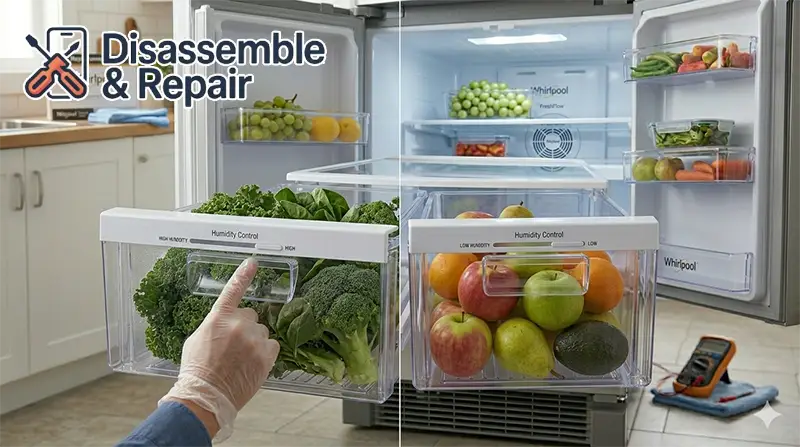
In this comprehensive guide, we will explore the mechanics behind Whirlpool’s preservation technology, the science of food storage, and how to properly utilize your crisper drawers to save money and maintain the quality of your groceries.
Read more whirlpool refrigerator fingerprint resistant
Understanding Whirlpool Refrigerator Humidity Control
At its core, the Whirlpool Refrigerator Humidity Control system is a mechanism designed to regulate the environment within specific storage zones, typically the crisper drawers. While the general refrigerator compartment maintains a cool temperature to inhibit bacterial growth, it is often too dry for certain types of produce and too stagnant for others. The humidity control slider acts as a manual toggle for airflow regulation, allowing the user to dictate the relative humidity within the enclosed drawer.
Read more whirlpool refrigerator evaporator coil cleaning
The mechanics are relatively simple yet highly effective. The control usually consists of a sliding gauge that opens or closes a small vent on the drawer.
- High Humidity Setting (Closed Vent): When the slider is set to “High,” the vent is completely closed. This cuts off airflow from the rest of the refrigerator, trapping water vapor released by the vegetables inside. This creates a humid microclimate essential for produce that is prone to wilting.
- Low Humidity Setting (Open Vent): When set to “Low,” the vent opens fully. This allows dry air from the main fridge compartment to circulate into the drawer while letting humidity and gases escape. This setting is crucial for produce that is sensitive to rotting or produces ripening gases.
By correctly manipulating this humidity control slider, you transform a standard storage bin into a specialized preservation chamber tailored to the specific biological needs of your food.
The Science of Produce Preservation
To utilize your Whirlpool refrigerator effectively, one must understand the biological processes of fruit and vegetable storage. Two primary factors dictate how long your groceries last: moisture loss and ethylene gas.
The Role of Moisture Levels
Vegetables are composed largely of water. Once harvested, they no longer have a root system to replenish moisture. In the dry environment of a refrigerator, thin-skinned produce can rapidly lose water to the surrounding air, resulting in shriveling and wilting. Maintaining high moisture levels is vital for these items. This is where the closed vent setting becomes necessary, as it locks in the natural vapor the plants emit.
Ethylene Gas and Ripening
Ethylene is a natural plant hormone released in the form of a gas. It signals fruits to ripen. While this is beneficial on the tree, it is detrimental in the refrigerator. Certain fruits, such as apples and pears, are “high ethylene producers.” If these are stored in a sealed environment (high humidity), the gas concentrates and accelerates the rotting process. Furthermore, if an ethylene producer is stored next to an ethylene-sensitive vegetable, the vegetable will spoil prematurely. Airflow regulation via the open vent setting allows this gas to escape, preserving the contents of the drawer.
Optimizing the High Humidity Drawer
The high humidity setting is the sanctuary for produce that suffers from moisture loss but does not produce significant amounts of ethylene gas. This setting is best thought of as the “anti-wilt” zone. When the vent is closed, the relative humidity in the drawer can rise significantly higher than the rest of the fridge.
What to Store Here:
- Leafy Greens: Spinach, kale, arugula, and Swiss chard are highly susceptible to drying out.
- Cruciferous Vegetables: Broccoli, cauliflower, and Brussels sprouts stay crisp longer in humid air.
- Thin-Skinned Vegetables: Cucumbers, peppers, and green beans.
- Herbs: Parsley, cilantro, and dill (if not stored in water jars).
Best Practices:
While high humidity is beneficial, condensation management is equally important. If the drawer becomes too wet, it can encourage mold growth. If you notice visible water pooling at the bottom of the drawer or heavy droplets on the leafy greens, slightly adjust the slider toward the middle to allow a small amount of moisture to escape, or line the bottom of the drawer with a paper towel to absorb excess liquid.
Optimizing the Low Humidity Drawer
The low humidity setting is designed for produce that requires dry air and ventilation. By opening the vent, you allow the dry air from the main refrigerator compartment (which is constantly dehumidified by the cooling process) to enter the drawer. Simultaneously, this creates an exit route for ethylene gas.
What to Store Here:
- High Ethylene Fruits: Apples, pears, peaches, plums, and apricots.
- Melons: Cantaloupes and honeydews (which can degrade quickly in high moisture).
- Avocados: Once ripe, avocados should be moved here to slow down the process without trapping gas.
- Tropical Fruits: Mangoes and papayas.
Do not store leafy greens in this drawer; the dry air circulating through the open vent will cause them to wilt within a day or two. Conversely, storing apples in a sealed high-humidity drawer will result in mushy texture and accelerated rot due to trapped ethylene.
Advanced Features: FreshFlow Air Filter and Preservers
Modern Whirlpool refrigerators often come equipped with technologies that work in tandem with the manual humidity controls to enhance produce preservation.
FreshFlow Air Filter
The FreshFlow air filter is a carbon-based filtration system found in many Whirlpool models. It is significantly more effective than the traditional box of baking soda. This filter actively circulates air to neutralize odors and bacteria. While it primarily addresses smell, a clean environment contributes to overall food hygiene. It is typically located on the back wall of the refrigerator or near the air vents.
Produce Preserver Packets
Some Whirlpool crisper drawers feature a dedicated housing for a produce preserver. This is a chemical filter specifically designed to absorb ethylene gas. By utilizing an ethylene absorber in conjunction with the Whirlpool Refrigerator Humidity Control, you can significantly extend the life of your fruits. If your drawer has this feature, ensure you change the packets every six months to maintain efficacy.
Troubleshooting Common Humidity Issues
Even with the correct settings, you may encounter issues with moisture or temperature. Here is how to troubleshoot common problems associated with crisper drawers.
Excessive Condensation
If you find water pooling in your high-humidity drawer despite proper settings, check the gasket seals on the refrigerator door. If warm air leaks into the fridge, it hits the cold interior and creates excess condensation. Additionally, ensure that you are not washing vegetables and placing them directly into the drawer while dripping wet. Pat them dry before storage to aid in condensation management.
Freezing in the Crisper
If your lettuce is turning to ice, the drawer might be too close to the cooling vent, or the overall refrigerator temperature is set too low. Ensure that the airflow regulation vents in the main fridge body are not blocked by large food items, which can force freezing air into the bottom drawers.
Read more whirlpool refrigerator drain pan cleaning
Stuck Sliders
Over time, debris or sticky spills can cause the humidity control slider to jam. Remove the drawer completely and wash it with warm, soapy water. Do not force the slider, as the plastic track can snap. If the mechanism is broken, the drawer loses its ability to regulate environments effectively.
Read more whirlpool refrigerator making noise
Maintenance and Replacement Parts
To ensure your fruit and vegetable storage remains optimal, regular maintenance is required. Crisper drawers should be cleaned monthly to remove spores or bacteria that could cross-contaminate fresh food.
- Remove and Soak: Take the drawers out and soak them in warm water with a mild detergent.
- Inspect the Tracks: debris in the sliding tracks can prevent the drawer from sealing correctly.
- Check the Vents: Ensure the humidity control shutter moves freely and actually covers/uncovers the vent hole.
If a drawer cracks or the control slider snaps off, it is crucial to source genuine Whirlpool replacement parts. Generic drawers may not fit the dimensions of the shelving rails perfectly, leading to air leaks. An improper seal renders the humidity control useless, as air will bypass the vent mechanism entirely. You can find the model number of your refrigerator on the interior wall to ensure you order the correct bin or slider assembly.
Conclusion
The Whirlpool Refrigerator Humidity Control is more than just a piece of plastic on a drawer; it is a tool that, when used correctly, pays for itself by reducing food waste. By understanding the science of ethylene gas, monitoring moisture levels, and separating your leafy greens from your ethylene-producing fruits, you can maintain a kitchen stocked with fresher, tastier, and healthier ingredients.
Take a moment to check your refrigerator settings today. Adjusting your sliders to match the contents of your drawers is a small step that yields significant results in the longevity of your produce. Whether you are relying on the standard mechanical sliders or advanced features like the FreshFlow air filter, proper maintenance and configuration are the keys to refrigeration success.
Frequently Asked Questions
Which setting should I use for leafy greens like spinach and kale?
You should use the High Humidity setting (closed vent). Leafy greens are highly susceptible to moisture loss and do not produce much ethylene gas. Closing the vent traps the natural water vapor released by the greens, creating a moist environment that prevents them from wilting and keeps them crisp for longer.
Why is there water pooling at the bottom of my crisper drawer?
Excessive condensation often occurs when produce is placed in the drawer while still wet or when the humidity is trapped too effectively. To manage this, ensure you pat your vegetables dry after washing them. You can also line the bottom of the drawer with a paper towel to absorb excess moisture or slightly move the slider toward the “Low” setting to allow a small amount of air circulation.
Can I store apples and vegetables in the same humidity-controlled drawer?
It is best to keep them separate. Apples are high ethylene producers, a gas that accelerates ripening and decay in other produce. If stored in a high-humidity environment with vegetables like lettuce or broccoli, the trapped gas will cause the vegetables to spoil prematurely. Store apples in the Low Humidity drawer (open vent) and vegetables in the High Humidity drawer (closed vent).
How do I know if my humidity control slider is working correctly?
A functioning slider should move smoothly along its track and visibly open or close a small vent hole or shutter on the drawer. If the slider is stuck or the vent remains open regardless of the setting, the drawer will not be able to maintain the necessary microclimate. If you notice your greens wilting quickly even on the “High” setting, check to ensure the drawer is sealing properly against the refrigerator shelf above it.