

Whirlpool Refrigerator Ice Bin Cleaning
Whirlpool Refrigerator Ice Bin Cleaning: The Ultimate Guide
Maintaining a hygienic kitchen involves more than just wiping down counters; it requires deep cleaning appliances that we often overlook. Whirlpool refrigerator ice bin cleaning is a critical maintenance task that ensures your ice remains fresh, tasteless, and safe for consumption. Neglecting this simple chore can lead to bacterial growth, unpleasant odors, and mechanical issues that shorten the lifespan of your appliance.
This comprehensive guide will walk you through the proper sanitization process, ensuring your Whirlpool ice maker continues to function efficiently.
Why Regular Maintenance Matters
Your freezer compartment is generally a safe zone for food storage, but the ice storage bin is susceptible to specific problems. Over time, old ice can absorb odors from frozen foods, leading to “stale” tasting drinks. More concerning is the potential for mold and mildew to develop in the corners of the bin or the chute if moisture accumulates during defrost cycles.
Additionally, neglected bins often suffer from ice clumping. This occurs when fragmented ice melts slightly and refreezes, fusing into large blocks that can jam the auger mechanism. Regular cleaning removes these obstructions and ensures the auger can dispense ice smoothly without straining the motor.
Preparation and Safety First
Before you begin the Whirlpool refrigerator ice bin cleaning process, it is essential to prepare your workspace and prioritize safety.
Read more whirlpool french door refrigerator problems
- Turn Off the Ice Maker: Locate the shut-off arm (wire signal arm) or the on/off switch on your Whirlpool ice maker. Flip it to the “Off” position to prevent the machine from dispensing ice or water while you work.
- Unplug the Refrigerator: For absolute safety, especially when working near the auger mechanism, unplug the refrigerator or disconnect the power at the circuit breaker.
- Gather Your Supplies: You will need specific cleaning agents to avoid damaging the plastic components. Avoid harsh chemicals like bleach or ammonia.
- Mild detergent (dish soap)
- Warm water
- White vinegar (for sanitization and mineral removal)
- Non-abrasive cloth or microfiber towel
- A soft toothbrush (for scrubbing crevices)
- A clean dry towel
Step-by-Step Whirlpool Refrigerator Ice Bin Cleaning
1. Removing the Ice Storage Bin
Open the freezer compartment door. On most Whirlpool models, the ice bin is located on the door or the top shelf.
- For in-door bins: Press the release latch (usually at the bottom or top of the bin) and lift the bin up and out.
- For shelf bins: simply slide the bin straight out. If it feels stuck, check for any ice clumps freezing it in place and gently wiggle it free.
2. Discarding Old Ice
Dump the entire contents of the bin into the sink. Do not try to save this ice, as it likely contains the stale odors or particulate matter you are trying to eliminate. This is the perfect time to inspect the bottom of the bin for any plastic shavings or debris.
3. Washing the Bin
Fill your sink with warm water and a few drops of mild detergent. Submerge the ice bin. Use a non-abrasive cloth to wipe down the interior and exterior surfaces.
- Attention to Detail: Pay close attention to the corners where mold and mildew love to hide.
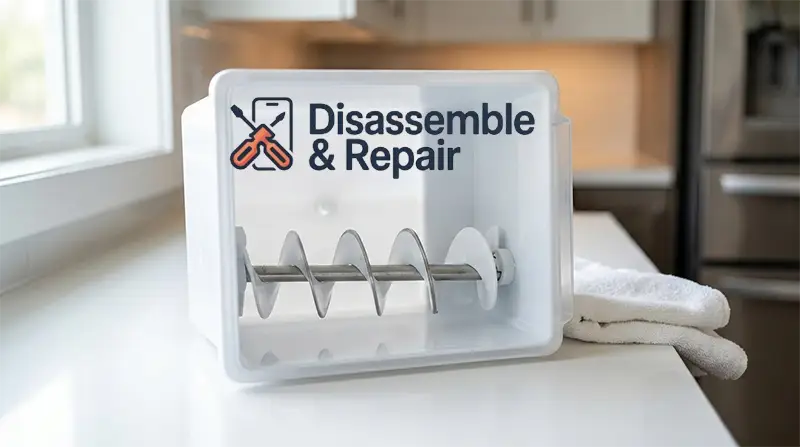
- Cleaning the Auger: The auger mechanism is the spiral device inside the bin that pushes ice to the dispenser. You do not usually need to disassemble this for cleaning. Simply use the soapy cloth to wipe down the plastic blades and the metal rod. If there is stubborn residue on the auger, use a soft toothbrush to gently scrub it away.
4. Sanitization and Odor Removal
Washing removes dirt, but sanitization kills bacteria and neutralizes smells.
Read more whirlpool refrigerator serial number lookup
- Create a solution of equal parts warm water and white vinegar.
- Rinse the bin with this solution or wipe it down thoroughly. Vinegar is excellent for odor removal and dissolving hard water deposits (calcium) that may have built up on the auger or the bin walls.
- Let the solution sit on the surfaces for about 5-10 minutes for maximum effectiveness.
5. Rinsing and Drying
Thoroughly rinse the bin with fresh water to remove any traces of soap and vinegar.
- Crucial Step: You must dry the bin completely. Any remaining moisture will immediately freeze when placed back in the freezer, leading to rapid ice clumping.
- Use a dry towel to wipe every crevice, including the auger assembly. Let it air dry on the counter for an additional 20-30 minutes to ensure it is bone dry.
6. Cleaning the Dispenser Chute
While the bin is drying, turn your attention to the refrigerator itself. The chute where the ice drops from the bin to your glass is a prime spot for mold.
- Dip a toothbrush into your vinegar solution.
- Scrub the inside of the chute and the dispenser area.
- Wipe clean with a damp cloth and dry thoroughly.
Reassembly and Restart
Once the ice storage bin is completely dry, slide it back into its housing in the freezer compartment. You should feel it click or settle securely into place.
Read more whirlpool refrigerator vacation mode
- Plug the refrigerator back in.
- Turn the ice maker switch back to “On” or lower the wire arm.
- Important: Discard the first batch of ice produced (usually the first 12-24 hours of production). This ensures that any lingering cleaning residue is flushed out of the system and that your new ice is perfectly fresh.
Preventing Future Issues
To keep your Whirlpool ice maker running smoothly, consider these maintenance tips:
- Dump the Ice Periodically: If you don’t use ice frequently, dump the bin once a month to prevent the “stale freezer” taste and old ice from fusing together.
- Check Temperature Settings: Ensure your freezer is set to the manufacturer’s recommended temperature (usually 0°F or -18°C). Temperatures that fluctuate too high cause partial melting and refreezing, which is the primary cause of ice clumping.
- Inspect Water Filter: A dirty water filter can introduce contaminants and bad tastes into your ice. Replace your Whirlpool water filter every 6 months.
By following this Whirlpool refrigerator ice bin cleaning routine every 3 to 6 months, you protect your appliance’s mechanics and ensure your family enjoys clean, crisp, and safe ice year-round.
Frequently Asked Questions
How often should I clean my Whirlpool ice storage bin?
For the best results and the freshest tasting ice, you should perform a deep cleaning every 3 to 6 months. However, if you notice your ice has a “stale” freezer taste or if the cubes are clumping together, you should clean it immediately.
Can I use bleach or other heavy chemicals to sanitize the bin?
No, you should avoid using harsh chemicals like bleach or ammonia, as they can damage the plastic components and leave behind toxic residues. A solution of equal parts warm water and white vinegar is a safe, natural, and effective way to sanitize the bin and remove odors.
Why is it so important to dry the bin completely before putting it back?
Any moisture left in the bin or on the auger mechanism will freeze instantly once returned to the freezer. This leads to rapid ice clumping, which can jam the dispensing system and potentially damage the motor.
Why do I need to discard the first batch of ice after cleaning?
It is recommended to discard the ice produced in the first 12 to 24 hours after cleaning to ensure that any lingering traces of soap or vinegar are flushed out. This guarantees that the ice your family eventually consumes is perfectly clean and taste-free.
What causes ice to clump together in the bin?
Ice clumping is usually caused by temperature fluctuations in the freezer that allow the ice to melt slightly and refreeze. It can also happen if you do not use the ice frequently or if you put the storage bin back into the freezer while it is still damp after cleaning.