

Whirlpool French Door Refrigerator Problems
The Ultimate Guide to Solving Whirlpool French Door Refrigerator Issues
When investing in premium kitchen appliances, homeowners expect long-lasting performance, superior cooling, and steadfast reliability. However, even the highest quality appliances can experience mechanical wear and tear over time, leading to a variety of Whirlpool French Door Refrigerator Problems. As a homeowner, facility manager, or service technician, understanding these common malfunctions is absolutely crucial for maintaining optimal cooling efficiency, reducing monthly energy consumption, and extending the overall lifespan of your refrigeration unit. This comprehensive guide will deeply explore the most frequent issues, providing expert-level insights into diagnostics, parts replacement, and effective repair strategies.
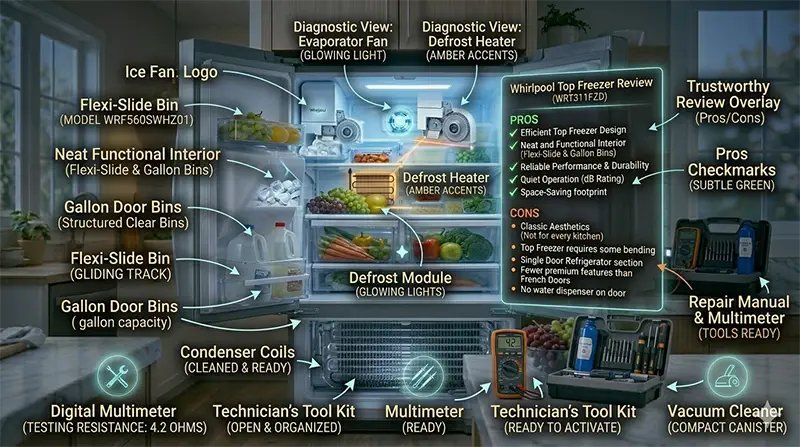
Diagnosing Common Whirlpool French Door Refrigerator Problems
Modern refrigerators are complex ecosystems of mechanical parts and electronic controls. Let us delve into the specific components that most frequently require attention. By identifying the root cause of an issue early, you can save valuable time, prevent catastrophic food spoilage, and avoid overly expensive professional repair bills.
Read more whirlpool refrigerator defrost cycle frequency
Ice Maker and Water Dispenser Failures
One of the most frequently reported issues among consumers involves the ice maker. When the ice maker stops producing ice, produces hollow cubes, or jams entirely, the underlying cause could be linked to several interconnected components. The first and most essential step in troubleshooting this issue is to check the water filter. A heavily clogged water filter severely restricts water flow, which leads to unusually small ice cubes, hollow ice cubes, or a complete halt in ice production. Manufacturers highly recommend replacing the water filter every six months to maintain proper water pressure and ensure pristine drinking water quality.
If the water filter is fresh but the issue persists, the ice maker assembly itself or the water inlet valve might be failing. The water inlet valve is an electrically controlled mechanical valve that opens to supply water to the dispenser and ice maker. If this valve is defective or if the water line behind the refrigerator is frozen, water will not reach the ice maker mold. Furthermore, modern units utilize an optical sensor to detect when the ice bin is full; if this sensor is obstructed by frost or fails electronically, the system will incorrectly assume the bin is full and cease production entirely.
Read more best whirlpool refrigerator models
Compressor and Condenser Coils Maintenance
A refrigerator that fails to cool properly entirely defeats its primary purpose. When you encounter severe temperature inconsistencies, the compressor is often the first major mechanical component to inspect. The compressor acts as the heart of the refrigeration cycle, responsible for pumping and pressurizing refrigerant gas throughout the sealed system. If the compressor runs continuously but the refrigerator interior remains warm, or if it fails to start at all—often accompanied by a repetitive clicking noise—you are facing a significant mechanical or electrical failure. The clicking sound typically points to a failing start relay or overload capacitor, rather than a permanently dead compressor.
Equally important to the compressor’s survival are the condenser coils, which are typically located at the back or underneath the bottom kickplate of the unit. As the refrigerant flows through these coils, it dissipates the heat removed from the refrigerator’s interior into the room. Over time, these condenser coils naturally accumulate heavy layers of dust, kitchen grease, and pet hair, which acts as an insulating blanket and severely reduces the refrigerator’s ability to shed heat. Cleaning the condenser coils every few months using a vacuum attachment or a specialized coil brush is a vital preventative maintenance task that will drastically improve energy efficiency and prevent the compressor from dangerously overheating.
Evaporator Coils and Defrost System Breakdowns
If the condenser coils are immaculately clean but the refrigerator section is warm while the freezer section remains freezing cold, the problem almost certainly resides within the evaporator coils. These coils are safely housed behind a rear panel inside the freezer compartment. In a healthy refrigerator, a small amount of frost builds up on these coils and is regularly melted away. However, if they are completely encased in a thick block of solid ice, it indicates a catastrophic failure in the unit’s defrost system.
The defrost system is a specialized circuit that typically comprises a defrost heater, a defrost thermostat, and a defrost control board (or mechanical defrost timer in older models). Several times a day, the system turns off the compressor and activates the defrost heater to melt away accumulated frost. When any of these vital parts fail, frost aggressively builds up on the evaporator coils. This thick ice physically blocks the internal air passages, critically restricting airflow and causing the fresh food section to warm up to unsafe temperatures.
Airflow Interruptions: The Fan Motor
Proper cooling relies completely on rapid and consistent airflow. The evaporator fan motor is strategically placed near the evaporator coils. Its sole responsibility is to actively draw warm air over the freezing cold evaporator coils and then seamlessly circulate that newly chilled air throughout both the refrigerator and freezer compartments.
If you begin to hear an unusually loud humming, rattling, or grinding noise emanating directly from the freezer area, or if you notice that the refrigerator cabin is unexpectedly warm, the fan motor may be failing. Additionally, as mentioned previously, if the defrost system fails, the resulting ice buildup can physically expand into the path of the fan blades, obstructing the fan motor and preventing it from turning at all. Replacing a faulty or burned-out fan motor is a standard diagnostic step that quickly restores proper internal air circulation.
Electronic Brain: The Control Board and Temperature Sensor
Modern high-end refrigerators rely heavily on sophisticated electronics and microprocessors to meticulously regulate internal climates and manage mechanical systems. The temperature sensor, commonly referred to as a thermistor, continuously monitors the internal air temperature and relays these exact resistance readings to the main control board. If the temperature sensor becomes defective or out of calibration, it will inevitably send wildly incorrect data to the system. This results in the main board forcing the compressor and fan motor to run constantly—thereby freezing your fresh produce—or not running them enough, leading to food spoilage.
The main control board acts as the central brain of the entire appliance. While less common than mechanical failures, a faulty control board can manifest in a wide variety of erratic and unpredictable behaviors. Symptoms may include random incessant beeping, flickering internal LED lights, an unresponsive touchscreen dispenser, or a complete failure to supply electrical voltage to the compressor or defrost system. Diagnosing a main control board issue typically requires a digital multimeter, access to the manufacturer’s specific tech sheet, and a thorough understanding of electrical schematics.
Water Leakage and the Drain Tube
Discovering a pool of water gathering beneath the deli drawers or leaking mysteriously onto your hardwood kitchen floor is a highly frustrating consumer grievance. This specific issue is almost universally traced back to a clogged or frozen defrost drain tube. During the standard automatic defrost cycle, the melted frost drips off the evaporator coils and is supposed to flow gracefully down the drain tube into a shallow drain pan situated beneath the refrigerator, where the ambient heat of the compressor safely evaporates it.
If the drain tube becomes clogged with food debris, mold, or completely freezes over due to a minor insulation failure, the melting water suddenly has nowhere to go. It will quickly overflow the internal trough and spill directly into the base of the unit. Safely thawing the ice with a steamer and thoroughly flushing the drain tube with hot water and a mild bleach solution usually resolves this aggravating problem permanently.
Efficiency Loss Due to the Door Gasket
Occasionally, the root cause of cooling issues, excessive energy consumption, and rapid internal frost buildup is surprisingly simple: a compromised door gasket. The door gasket is the flexible magnetic rubber seal that meticulously lines the outer perimeter of the refrigerator and freezer doors. Its singular job is to create a perfect airtight seal, keeping the artificially cold air inside while locking the warm, humid ambient room air outside.
Read more whirlpool refrigerator door not closing properly
If the door gasket becomes torn, warped, loose, or brittle from age and lack of maintenance, warm air will constantly and invisibly infiltrate the cabin. This continuous heat load forces the cooling system to work exponentially harder, drastically driving up energy consumption. Furthermore, the high moisture content of the incoming room air instantly condenses on the coldest surfaces it touches, leading to excessive sweating inside the fridge and heavy, unmanageable frost accumulation on the evaporator coils. Regularly inspecting and cleaning the door gasket ensures an airtight seal and peak operating efficiency.
Effective Troubleshooting for Whirlpool French Door Refrigerator Problems
When attempting to resolve complex appliance issues, a logical and systematic approach is absolutely essential. Blindly guessing which component is faulty often leads to unnecessary parts expenses and immense frustration.
Read more whirlpool refrigerator ice maker not working
- Start with the Fundamental Basics: Before diving headfirst into complex electrical diagnostics with a multimeter, check the simple environmental factors. Ensure the appliance is securely plugged into a dedicated outlet, verify that the household circuit breaker has not tripped, and confirm that the digital temperature settings are correctly configured to the manufacturer’s recommended levels (usually 37°F for the fridge and 0°F for the freezer).
- Conduct Thorough Visual Inspections: Look closely for obvious signs of physical damage. Inspect the entire perimeter of the door gasket for microscopic tears or weak magnetic adhesion. Check the condenser coils for heavy dust and lint accumulation. Look for any signs of water pooling near the internal drain tube or gathering at the bottom of the freezer compartment.
- Listen Intently to Your Appliance: The specific mechanical sounds your refrigerator makes can be highly diagnostic. A repetitive clicking sound from the lower rear area strongly indicates a failing compressor start relay. A loud humming or metallic grinding noise from the internal freezer cavity points directly toward a struggling or obstructed fan motor.
- Utilize Built-in Diagnostic Modes: Many modern digital refrigerators feature a hidden, built-in diagnostic test mode specifically designed for service technicians. By pressing a specific, documented sequence of buttons on the front control panel, you can access stored system error codes. These codes point directly to the malfunctioning component, greatly taking the guesswork out of troubleshooting.
DIY Repair vs. Professional Intervention
While systematic troubleshooting can empower a homeowner to fix many minor appliance issues, it is crucial to recognize when a problem exceeds basic DIY capabilities. Replacing a clogged water filter, swapping out a snapped door gasket, cleaning the condenser coils, or flushing a blocked drain tube are all excellent, safe DIY projects that require minimal tools. Furthermore, with a bit of patience and a detailed instructional video, many homeowners can successfully replace an evaporator fan motor, a defrost thermostat, or even a temperature sensor.
Read more whirlpool refrigerator capacity cubic feet
However, certain repairs strictly require professional intervention. If your diagnostics point to a failed compressor, a substantial refrigerant leak, or a critically restricted capillary tube, you must call a certified appliance repair technician. Any repair involving the sealed refrigerant system requires specialized welding tools, vacuum pumps, and specific EPA certifications to legally and safely handle the chemical refrigerant gases.
By familiarizing yourself with these operational concepts and maintenance routines, you can tackle appliance malfunctions with confidence, keeping your kitchen running smoothly for years to come.
Frequently Asked Questions
Why is my Whirlpool ice maker not producing ice or making small cubes?
The most common cause is a clogged water filter, which restricts water flow. Manufacturers recommend replacing the filter every six months. If the filter is new, the issue may be a defective water inlet valve, a frozen water line, or an obstructed optical sensor that incorrectly signals the ice bin is full.
What causes water to leak onto the floor or pool under the deli drawers?
This is typically caused by a clogged or frozen defrost drain tube. When the tube is blocked by debris or ice, water from the defrost cycle cannot reach the drain pan and overflows into the refrigerator cabin. Thawing the ice and flushing the tube with hot water and a mild bleach solution usually resolves the leak.
How often should I clean my refrigerator’s condenser coils?
You should clean the condenser coils every few months. Because these coils dissipate heat, a buildup of dust, grease, and pet hair can act as insulation, forcing the compressor to work harder. Regular cleaning with a vacuum or coil brush improves energy efficiency and extends the lifespan of the compressor.
Why is the freezer working fine, but the refrigerator section is warm?
This usually indicates a failure in the defrost system, such as a faulty defrost heater, thermostat, or control board. When these components fail, frost builds up on the evaporator coils, eventually turning into a block of ice that prevents cold air from circulating into the fresh food compartment.
When can I perform a DIY repair, and when should I call a professional?
Homeowners can safely handle maintenance tasks like replacing water filters, swapping door gaskets, cleaning coils, or clearing a blocked drain tube. However, any issues involving the sealed refrigerant system—such as a failed compressor or a refrigerant leak—strictly require a certified technician due to the specialized tools and legal certifications needed to handle refrigerant gases.