
A steamy bathroom isn’t just an annoyance; it’s a breeding ground for mold, mildew, and potential structural damage to your home. Proper ventilation is crucial for maintaining a healthy and comfortable environment, and at the heart of an effective system is correctly installed ductwork for your bathroom exhaust fan. If you’re a homeowner, DIY enthusiast, or renovator looking to tackle this essential upgrade, understanding how to install duct for bathroom exhaust fan is key.
This comprehensive guide will walk you through every step of the process, from planning and material selection to the detailed installation of your bathroom exhaust fan’s ducting, ensuring your bathroom remains fresh and dry for years to come.
Key Takeaways
- Proper Venting is Crucial: Never vent a bathroom exhaust fan into an attic, crawl space, or wall cavity; it must always terminate to the outdoors to prevent moisture issues and mold growth.
- Rigid Ducting is Preferred: Smooth, rigid metal ducting offers superior airflow and efficiency compared to flexible ducting, which can reduce performance due to its ribbed interior.
- Size Matters: Always match the duct diameter to the fan’s exhaust port to maintain optimal airflow and efficiency. Using smaller ducting can decrease performance and increase noise.
- Minimize Length and Bends: Keep duct runs as short and straight as possible. Excessive length and sharp bends significantly reduce the fan’s effectiveness.
- Seal and Insulate: All duct joints and connections must be sealed with foil tape or mastic to prevent air leaks and condensation. Insulate ducts in unconditioned spaces (like attics) to avoid condensation buildup.
Why Proper Bathroom Exhaust Fan Duct Installation Matters
Beyond simply clearing steam from your mirror, a properly installed bathroom exhaust fan with effective ducting plays a vital role in your home’s health and longevity. It actively removes moisture-laden air, which, if left unchecked, can lead to:
- Mold and Mildew Growth: High humidity creates ideal conditions for mold and mildew on walls, ceilings, and grout, posing health risks and requiring costly remediation.
- Structural Damage: Persistent moisture can warp wood, peel paint, blister wallpaper, and even compromise the integrity of your home’s framing.
- Poor Indoor Air Quality: Exhaust fans remove odors and airborne pollutants, contributing to a fresher, healthier living environment.
- Pest Infestation: Untreated moisture issues can attract pests like termites and carpenter ants.
Essential Tools and Materials You’ll Need
Before you begin your duct installation project, gather all necessary tools and materials. Having everything on hand will ensure a smooth and efficient process.
Tools:
- Drill and drill bits (including a hole saw matched to your duct size)
- Jigsaw or reciprocating saw
- Tape measure and pencil
- Utility knife
- Caulk gun
- Screwdriver set
- Level
- Stud finder
- Safety gear (gloves, safety glasses, dust mask)
- Wire strippers (if connecting electrical)
Materials:
- Bathroom exhaust fan (ensure correct CFM rating for your bathroom size)
- Ducting (rigid metal is recommended, but flexible may be used for short, straight runs)
- Exterior vent cap (roof, wall, or soffit type, with backdraft damper)
- Duct connectors and clamps
- Foil mastic tape or duct mastic sealant (do NOT use standard cloth duct tape)
- Insulation for ductwork (if running through unconditioned spaces like an attic)
- Caulk (exterior grade)
- Mounting hardware (screws, nails)
Choosing the Right Ducting for Your Bathroom Exhaust Fan
The type of ducting you choose significantly impacts your fan’s performance.
Flexible Ducting
- Pros: Easier to install, especially in tight or awkward spaces, and generally less expensive.
- Cons: The ribbed interior creates more airflow resistance (static pressure), reducing the fan’s efficiency, increasing noise, and making it prone to lint accumulation. It’s also less durable and can easily kink or puncture.
- When to Use: Best reserved for very short, straight runs where rigid ducting is genuinely impractical, or for a small transition piece at the fan connection.
Rigid Ducting (Smooth Wall Metal)
- Pros: This is the preferred choice for bathroom exhaust, offering the least resistance to airflow, maximizing fan efficiency, and minimizing noise. It’s also more durable and less likely to accumulate lint.
- Cons: More challenging to install, requiring precise measurements and cutting, and typically costs more.
- When to Use: Recommended for most installations, especially for longer runs and where optimal performance is desired.
Duct Diameter: Always use ducting with the diameter specified by your fan’s manufacturer. Many newer fans use 6-inch ducting, while older homes might have 3-inch or 4-inch. Using a smaller duct than recommended will significantly reduce airflow and increase noise.
Planning Your Duct Run: Key Considerations
Thoughtful planning is paramount for efficient DIY ventilation.
Optimal Exit Point Selection
The exhaust duct must always terminate directly to the outdoors, never into an attic, crawlspace, or enclosed wall cavity.
- Roof Venting: Often considered the best option as hot, moist air naturally rises. It typically provides the most direct path. However, it involves penetrating the roof, which requires proper flashing and sealing to prevent leaks.
- Wall Venting: A good option for bathrooms on an exterior wall. Ensure the vent cap is positioned at least 3-5 feet away from roof overhangs or windows to prevent moisture re-entry.
- Soffit Venting: Generally the least recommended method. While it avoids roof penetration, warm, moist air exhausted through the soffit can be drawn back into the attic through nearby soffit intake vents, leading to mold and moisture issues. If using a soffit vent, ensure it’s a dedicated exhaust vent, positioned well away from intake vents, and directs air horizontally.
Minimizing Bends and Length
- Impact on Airflow: Every bend and every foot of ducting adds resistance (static pressure), reducing the fan’s effective CFM. Aim for the shortest, straightest path possible.
- Elbows: Use gradual elbows rather than sharp 90-degree turns where possible. For optimal performance, allow at least two feet of straight duct run from the fan exhaust port before the first elbow.
Step-by-Step Guide: How to Install Duct for Bathroom Exhaust Fan
Now that you have your materials and a solid plan, let’s get to the practical steps of how to install duct for bathroom exhaust fan.

Step 1: Prepare the Area and Ensure Safety
Turn off the power to the bathroom at your home’s electrical panel. Clear your workspace and put on your safety gear. If working in an attic, ensure adequate lighting and stable footing.
Step 2: Mount the Exhaust Fan Housing
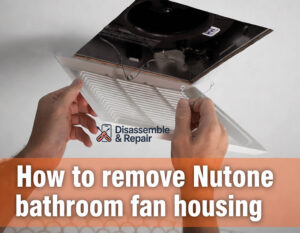
If you’re replacing an existing fan, remove the old unit. For a new installation, mark the ceiling where the fan will go, ideally between the shower and toilet for optimal moisture capture. Use a stud finder to locate joists. Cut the opening in the ceiling, being careful to avoid any electrical wires or pipes. Secure the fan housing firmly to the ceiling joists using the provided mounting brackets or screws. Ensure the exhaust port is oriented towards your planned duct run.
Step 3: Cut the Exterior Vent Hole
From the interior (attic or through the fan opening), determine the exact location for your exterior vent. Drill a small pilot hole through to the outside. Go outside and use this pilot hole as a guide to cut the larger opening for your vent cap, using a hole saw or jigsaw. Ensure the hole is between wall studs if going through a wall.
Step 4: Install the Exterior Vent Cap
From the outside, slide the vent cap into the newly cut hole. Apply a bead of exterior-grade caulk around the flange of the vent cap to create a weatherproof seal. Secure the cap to the exterior siding or roofing material with screws, ensuring it’s sealed tightly to prevent moisture intrusion.
Step 5: Run the Ductwork
This is where your duct installation plan comes into play.
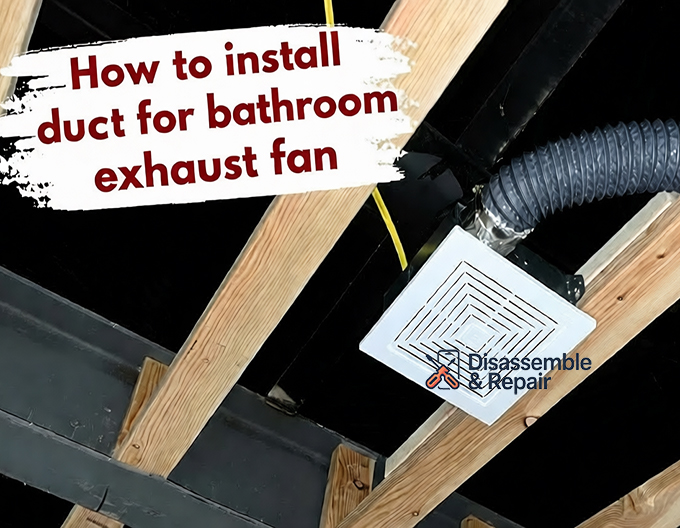
- Rigid Ducting: Connect sections using appropriate connectors, ensuring the seams are facing up to prevent potential condensation leaks. Secure each joint with foil mastic tape or mastic sealant. Support long horizontal runs with hangers to prevent sagging.
- Flexible Ducting: Stretch the ducting tautly to minimize sags and kinks, which can trap moisture and restrict airflow. Secure it to the fan and vent cap with clamps and foil mastic tape.
- Need a more detailed walkthrough? Check out this resource: Install Bathroom Fan Ducting Like A Pro (Easy Steps)
Step 6: Connect Ducting to Fan and Vent Cap
Attach one end of the ductwork to the fan’s exhaust port and the other to the exterior vent cap. Use metal clamps and foil mastic tape to create airtight seals at both connections. This is critical to prevent moisture from escaping into your attic or wall cavities. Ensure the fan’s integrated backdraft damper is not impeded.
Step 7: Seal and Insulate the Ductwork
Thoroughly seal all duct joints and connections with foil mastic tape or duct mastic. In unconditioned spaces like attics, it’s essential to insulate the entire length of the ductwork. This prevents condensation from forming inside the duct, which can drip back into the bathroom or cause moisture problems in the attic. Use an insulation sleeve designed for ducting.
Step 8: Install Fan Grille and Test
Connect the fan’s electrical wiring according to manufacturer instructions (consult an electrician if unsure). Install the decorative grille on the bathroom ceiling. Restore power at the electrical panel and test the fan. You should feel a strong airflow at the exterior vent cap.
Common DIY Duct Installation Mistakes to Avoid
Even experienced DIYers can make mistakes. Be mindful of these common pitfalls:
- Venting into the Attic or Wall Cavity: This is perhaps the most serious mistake, leading to severe mold, mildew, and structural damage. Always vent to the outdoors.
- Using Incorrect Duct Type or Size: Flexible ducting significantly reduces performance. Using a duct size smaller than the fan’s outlet chokes the airflow.
- Excessive Bends or Long Runs: These restrict airflow, making your fan less effective and noisier. Keep the path as direct as possible.
- Poorly Sealed Joints: Leaky duct joints allow moist air to escape into unwanted areas, negating the purpose of the fan and risking condensation. Use proper foil mastic tape, not standard duct tape.
- Not Insulating Ducts in Unconditioned Spaces: This is a major cause of condensation buildup and dripping, especially in colder climates.
- Improper Vent Cap Placement: Terminating a soffit vent too close to an intake vent can pull moist air back into the attic.
- Learn more about common errors with this helpful guide: DIY Bathroom Exhaust Duct: Avoid These Mistakes!
Maintenance Tips for Your Bathroom Exhaust System
To ensure your bathroom exhaust fan and ductwork continue to perform optimally:
- Clean the Grille Regularly: Dust and lint can accumulate on the fan grille, restricting airflow.
- Inspect the Ductwork: Periodically check the visible ducting in your attic or crawl space for kinks, damage, or disconnected sections. Ensure insulation is intact.
- Clean Fan Blades: If accessible, gently clean the fan blades to remove dust buildup, which can reduce efficiency.
Conclusion
Installing ductwork for your bathroom exhaust fan is a crucial home improvement project that significantly impacts your indoor air quality and protects your home from moisture-related damage. By following this comprehensive guide on how to install duct for bathroom exhaust fan, you can confidently tackle this task, ensuring your bathroom ventilation system operates effectively and efficiently. The effort invested in proper duct installation and DIY ventilation will pay dividends in a healthier, more comfortable, and durable home environment.
For further reading and expert insights, explore: Bathroom Fan Duct Install: The Ultimate DIY Guide
FAQ
Where should a bathroom exhaust fan duct terminate?
A bathroom exhaust fan duct must always terminate to the outdoors. It should never be vented into an attic, crawl space, or wall cavity, as this can lead to moisture issues and mold growth.
What type of ducting is recommended for a bathroom exhaust fan?
Smooth, rigid metal ducting is preferred for bathroom exhaust fans. It offers superior airflow and efficiency compared to flexible ducting, which can reduce performance due to its ribbed interior.
Why is it important to match the duct size to the exhaust fan’s port?
It is crucial to match the duct diameter to the fan’s exhaust port to maintain optimal airflow and efficiency. Using smaller ducting than recommended can significantly decrease the fan’s performance and increase noise levels.
Why is sealing and insulating bathroom exhaust fan ducts important?
All duct joints and connections must be sealed with foil tape or mastic to prevent air leaks, which can reduce the fan’s effectiveness. Additionally, ducts in unconditioned spaces (like attics) should be insulated to avoid condensation buildup, which could lead to moisture problems.