
Excess moisture is one of the biggest enemies of a healthy home, leading to peeling paint, warped wood, and the rapid growth of mold. For many older homes or apartments that lack ceiling ductwork, proper airflow can feel like an impossible goal. Fortunately, there is an effective, accessible solution. Learning how to install exhaust fan in bathroom window settings allows you to bypass expensive renovations while ensuring your bathroom remains dry and odor-free. This guide will walk you through the entire process, making bathroom ventilation accessible for any DIY enthusiast.
Understanding the Importance of Bathroom Ventilation
Before picking up your tools, it is essential to understand why this upgrade is necessary. A bathroom generates a significant amount of humidity in a short period. Without a path for this moisture to escape, it settles on surfaces, creating a breeding ground for bacteria and mold.
While opening a window helps, it is often passive and insufficient, especially in humid climates or during winter months. A dedicated fan actively pulls moisture out, creating negative pressure that draws fresh air in. If you are still on the fence about whether this project is worth the effort, you should review the specific Benefits of a Bathroom Window Exhaust Fan to understand how it improves air quality and protects your home’s structural integrity.
Assessing Your Window Type and Fan Selection
Not all windows are created equal, and neither are exhaust fans. The first step in your window fan installation is identifying your window type:
- Double-Hung Windows: These slide vertically. They are the easiest for installation as most standard window fans are designed to fit horizontally across the bottom opening.
- Sliding (Glider) Windows: These slide horizontally. You may need a fan that can be mounted vertically or a custom mounting solution to fill the vertical gap.
- Casement or Awning Windows: These crank out. These are the most challenging for installing standard fans and often require removing the screen or building a custom insert.
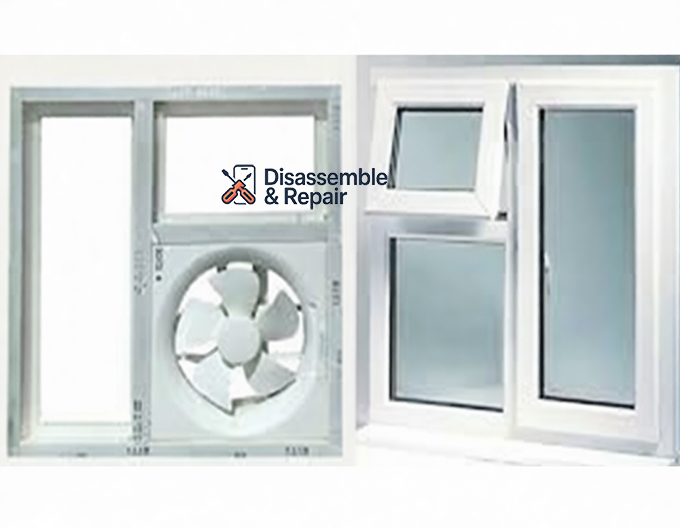
Once you know the window type, measure the opening width and height precisely. You want a fan that fits snugly or comes with expandable side panels. If you are looking for a more permanent DIY exhaust fan solution, consider a fan designed to be mounted in a piece of acrylic or plywood that replaces the glass or fits into the open sash.
Gathering the Necessary Equipment
Success in any DIY project relies heavily on preparation. You do not want to be halfway through the installation only to realize you are missing a critical component. Generally, you will need measuring tape, a drill, screwdrivers, and weather stripping foam. Depending on your specific window setup, you might also need materials to block off the remaining open space, such as Plexiglass or plywood.
To ensure you are fully prepared, check this comprehensive list of Tools for Bathroom Window Fan Installation. Having these items ready will streamline the process and prevent unnecessary trips to the hardware store.

How to Install Exhaust Fan in Bathroom Window
Now that you have your materials and have selected the right unit, we can begin the installation. Follow these steps carefully to ensure a weather-tight and secure fit.
1. Prepare the Window Area
Start by thoroughly cleaning the window sill and the sash track. Dust, dirt, and old paint can prevent the fan from sitting level or the adhesive foam from sticking properly. If your window has a screen that interferes with the fan placement, remove it now.
2. Measure and Adjust the Fan Expanders
Most window fans come with accordion-style expanders to fit different widths. Place the fan in the window opening to test the fit.
- If the fan fits perfectly: You can proceed to sealing.
- If the window is too wide: You may need to cut a block of wood or a piece of acrylic to fill the gap that the expanders cannot cover. This ensures the unit remains stable and airtight.
3. Apply Weather Stripping
Air leaks defeat the purpose of an exhaust fan. If air can cycle back in around the edges of the fan, the efficiency drops significantly. Apply self-adhesive weather stripping foam along the bottom of the fan (where it meets the sill) and the top (where it meets the window sash). This creates a seal that keeps bugs out and efficient airflow in.
4. Secure the Fan Unit
This is the core step in understanding how to install exhaust fan in bathroom window configurations securely.
- For Double-Hung Windows: Lower the window sash onto the top of the fan. The weight of the window often holds it in place, but for security, you should use the provided screws to fasten the fan chassis to the window sill or sash.
- For Sliding Windows: Slide the window against the side of the fan. Because gravity isn’t helping you here, you must screw the fan into the frame to prevent it from falling out.
5. Close the Gaps
Once the fan is secured, close the extenders to reach the sides of the window frame. If your fan came with specific locking mechanisms, engage them now. For a professional finish, use clear silicone caulk around the edges (if it is a permanent installation) or removable duct tape (if it is temporary) to seal any hairline cracks.
6. Power and Safety Check
Plug the fan into a GFCI (Ground Fault Circuit Interrupter) outlet. Since this is a bathroom, electrical safety is paramount. If you do not have a GFCI outlet near the window, do not use an extension cord permanently. Consult an electrician to install the proper outlet. Turn the fan on to ensure the blades spin freely without hitting the casing or the window frame.
Advanced Tips for a Professional Finish
For those who want a result that looks less like a “quick fix” and more like a permanent home feature, consider these advanced tips:
Utilizing Acrylic or Polycarbonate
Instead of using the plastic accordion expanders which can look flimsy and yellow over time, cut a piece of clear acrylic sheet to fill the space next to the fan. This lets natural light into the bathroom while providing a solid, airtight barrier. You can mount the fan directly into a hole cut in the acrylic for a sleek, “floating” look.
Security Considerations
A window fan can be a security vulnerability, as it prevents the window from locking. To secure the window:
- Cut a wooden dowel or broom handle to fit exactly in the window track above the open sash. This prevents the window from being opened further from the outside.
- Install secondary sash locks or screw the sash frame to the side rails if you intend for the fan to be permanent.
Troubleshooting Common Issues
Even with a perfect installation, issues can arise. Here is how to handle them:
- Vibration Noise: If the fan hums or rattles, it usually means it isn’t sitting flat. Add more weather stripping foam underneath the unit to act as a shock absorber.
- Backdrafts: On windy days, air might blow back into the bathroom. Ensure your fan has a backdraft damper (a flap that closes when the fan is off). If not, you may need to cover the fan exterior with a magnetic cover during storms.
- Poor Airflow: If the bathroom door is sealed tight, the fan cannot pull air out because there is no replacement air coming in. Leave the bathroom door cracked open slightly or install a vent in the door to allow for makeup air.
Conclusion
Upgrading your bathroom ventilation is one of the most practical home improvement projects you can undertake. It protects your property from moisture damage and significantly improves comfort. By following this guide, you have mastered how to install exhaust fan in bathroom window openings safely and effectively.
Remember that maintenance is key; clean the fan blades and grilles every few months to keep the motor running smoothly. whether you chose a simple plug-in model or a custom acrylic mount, your new DIY exhaust fan will serve your home for years to come.
Here’s an FAQ generated from the provided text:
Frequently Asked Questions
Q: Why is it important to install an exhaust fan in a bathroom window?
A: Excess moisture is a major enemy of a healthy home, leading to peeling paint, warped wood, and the rapid growth of mold and bacteria. Installing an exhaust fan in a bathroom window ensures the bathroom remains dry and odor-free, improving air quality and protecting your home’s structural integrity.
Q: Is this solution suitable for older homes or apartments lacking ceiling ductwork?
A: Yes, learning how to install an exhaust fan in a bathroom window is an effective, accessible solution for older homes or apartments that lack ceiling ductwork, allowing you to bypass expensive renovations.
Q: Is just opening a window sufficient for bathroom ventilation?
A: While opening a window helps, it is often passive and insufficient, especially in humid climates or during winter months. A dedicated fan actively pulls moisture out, creating negative pressure that draws fresh air in.
Q: What is the first step in installing a bathroom window exhaust fan?
A: The first step is identifying your window type and then precisely measuring the opening width and height.
Q: What types of windows are mentioned, and which is easiest for fan installation?
A: The text mentions Double-Hung Windows (easiest for installation), Sliding (Glider) Windows, and Casement or Awning Windows (most challenging).
Q: What should I consider when selecting an exhaust fan for my window?
A: You want a fan that fits snugly into your window opening or comes with expandable side panels. For a more permanent DIY solution, consider a fan designed to be mounted in a piece of acrylic or plywood that replaces the glass or fits into the open sash.
Q: What general equipment is needed for the installation?
A: Generally, you will need measuring tape, a drill, screwdrivers, and weather stripping foam. Depending on your specific window setup, you might also need materials to block off the remaining open space.