
Keeping your bathroom fresh, dry, and free from mold and mildew hinges on one often-overlooked hero: your bathroom exhaust fan. Over time, these essential ventilation systems accumulate dust, lint, and grime, drastically reducing their efficiency and potentially leading to bigger problems. If you’ve noticed persistent humidity, lingering odors, or a noisy fan, it’s a clear sign it’s time for a deep clean. This comprehensive guide will walk you through how to remove bathroom exhaust fan to clean it thoroughly, ensuring your bathroom remains a healthy and comfortable space.
Key Takeaways
- Prioritize Safety: Always turn off power at the circuit breaker before beginning any work on your exhaust fan.
- Tools Matter: Gather essential tools like screwdrivers, a sturdy ladder, a vacuum with attachments, and cleaning solutions before you start.
- Step-by-Step Removal: Learn to safely remove the fan cover, motor assembly, and access the housing for a complete cleaning.
- Thorough Cleaning: Understand the best methods for cleaning the fan cover, blades, motor, and housing components.
- Regular Maintenance: Implement a routine cleaning schedule (every 3-6 months) to prolong your fan’s lifespan and maintain optimal performance.
Why Your Bathroom Exhaust Fan Needs Cleaning
The primary role of a bathroom exhaust fan is to draw out moisture, odors, and airborne contaminants, preventing issues like peeling paint, warping wood, and the growth of mold and mildew. However, as it performs this crucial function, it inevitably pulls in dust, hair, and other particles from the air. This accumulation can quickly coat the fan blades, motor, and interior housing, hindering its ability to move air effectively.
A dirty exhaust fan works harder, leading to increased noise and reduced airflow. You might notice your bathroom mirror staying fogged for more than five minutes after a shower, or unpleasant smells lingering longer than they should. These are all indicators that your clean exhaust fan is overdue for attention. Regular cleaning not only restores efficiency and quiet operation but also extends the life of the unit and maintains healthier indoor air quality.
Safety First: Essential Precautions Before You Begin
Working with electrical appliances, especially those connected to your home’s wiring, always requires a focus on safety. Before you even touch your bathroom exhaust fan, take the following critical precautions:
- Cut the Power: This is the most crucial step. Go to your home’s electrical panel (breaker box) and switch off the circuit breaker that controls your bathroom’s power. Do not rely solely on the wall switch; an accidental flip could lead to electrical shock.
- Verify with a Voltage Tester: If you have a voltage tester, use it on the fan’s wires (once exposed) to confirm that the power is indeed off.
- Use a Sturdy Ladder: Ensure your stepladder is stable, secure, and tall enough to comfortably reach the fan without overstretching. Make sure the floor beneath is clear of any water or obstructions.
- Protect Yourself: Wear safety goggles to shield your eyes from falling dust and debris. A dust mask is also advisable to avoid inhaling accumulated grime.
- Ensure Adequate Lighting: If turning off the breaker plunges your bathroom into darkness, use a flashlight or headlamp to ensure you can clearly see what you’re doing.
Gather Your Tools: What You’ll Need for the Job
Having the right tools on hand will make the bathroom fan removal guide much smoother and more efficient. Here’s a checklist of what you’ll typically need:
- Screwdriver Set: Phillips and flathead screwdrivers are often required. A magnetic-tipped screwdriver can be particularly helpful for preventing dropped screws.
- Step Ladder: A sturdy and stable one is essential.
- Vacuum Cleaner: With brush and crevice attachments for dust removal.
- Dish Soap: For cleaning the fan cover.
- Soft Sponges or Microfiber Cloths: For wiping and scrubbing.
- Stiff Brush or Old Toothbrush: For tackling stubborn grime on fan blades and hard-to-reach areas.
- Compressed Air (Optional): Useful for blowing dust out of motor components, ideally done outdoors.
- Utility Knife (Optional): If the fan housing is sealed with paint or caulk.
- Small Container/Bag: To keep screws and small parts organized.
Step-by-Step Guide: How to Remove Bathroom Exhaust Fan to Clean
This section details the core process of safely disassembling your bathroom exhaust fan for a thorough clean. While models can vary, the fundamental steps for remove bathroom exhaust fan remain largely consistent.
1. Prepare the Area and Cut Power
Before anything else, ensure the power to the bathroom is off at the circuit breaker, and verify it with a voltage tester if possible. Place a drop cloth or old towels on the floor beneath the fan to catch any falling dust or debris. Set up your sturdy ladder directly under the fan.
2. Remove the Fan Cover/Grille
Most bathroom exhaust fan covers are held in place by one of two common methods:
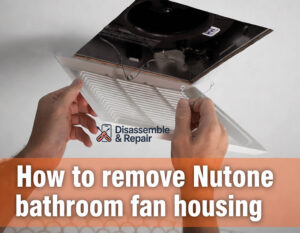
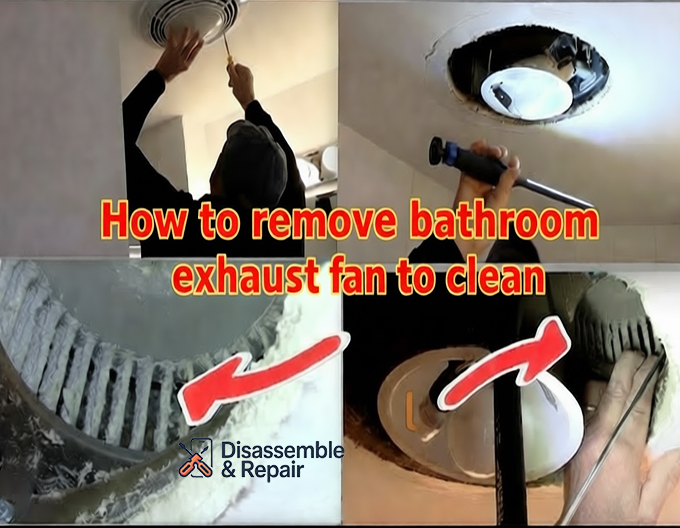
- Spring Clips: Gently pull down on the sides of the cover. You should feel it release slightly, hanging by a few inches. Look for two metal spring clips on opposite sides. Squeeze the loops of these clips together and slide them out of their mounting slots in the fan housing. The cover should then come free.
- Center Screw: Some covers have a decorative cap that twists off, revealing a screw in the center. Unscrew this, then gently lower the cover.
- Fan Covers with Lights: If your fan includes a light, you might need to first remove the light diffuser (often by twisting or prying) and unscrew the light bulb. There may be additional screws or a nut holding the light fixture, or a wire connector to unplug before the cover fully detaches. Disconnect any wiring for the light if present.
Once removed, place the cover aside for cleaning.
3. Disconnect and Remove the Fan Motor Assembly
This is where you gain access to the working parts for a truly deep clean exhaust fan. The method for removing the motor assembly can vary:
- Unplug the Motor: Many fan motors are simply plugged into a receptacle inside the housing. Look for a power cord or a plastic clip connection and unplug it.
- Mounting Screws: The motor assembly, often including the fan blades, is typically secured by two or three screws to the fan housing. Use your screwdriver to carefully remove these screws, supporting the motor with one hand as you remove the last one to prevent it from falling.
- Tabs or Clips: Some models feature metal tabs or clips that hold the motor in place. You might need to gently pry these tabs with a flathead screwdriver or squeeze them to release the motor. Certain designs might require a slight twist and pull to detach the motor.
Once released, carefully lower the motor assembly from the housing. Place it on your drop cloth.
4. Access and Clean the Fan Housing and Ductwork
With the motor assembly removed, you now have clear access to the inside of the fan housing (the metal box recessed in your ceiling). This is an excellent opportunity to clean this often-neglected area and inspect the ductwork.
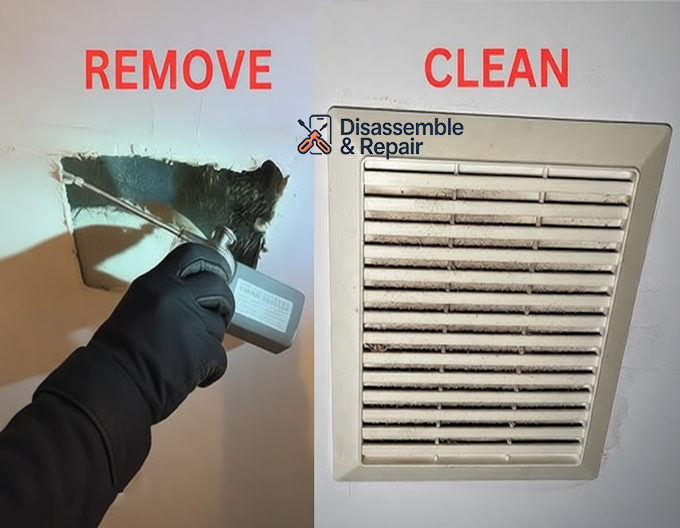
- Vacuum the Housing: Use your vacuum cleaner with a brush and crevice attachment to thoroughly clean the interior of the housing, removing accumulated dust, cobwebs, and debris. Pay special attention to corners and edges.
- Wipe Down: Dampen a microfiber cloth with a mild cleaning solution (like dish soap and water) and wipe down all reachable surfaces inside the housing. Follow up with a dry cloth to remove any moisture.
- Check Ductwork: Briefly inspect where the fan connects to the exhaust duct leading outside. Ensure there are no major obstructions, such as bird nests or significant debris, which could impede airflow. If the entire housing needs to be removed for duct cleaning or replacement, this becomes a more involved task and may require professional help.
Deep Cleaning Your Bathroom Exhaust Fan Components
Now that the components are removed, it’s time for some serious fan cleaning tips.
Cleaning the Cover
- For Covers Without Lights: Fill a sink with warm water and a few drops of dish soap. Submerge the vent cover and let it soak for 10-15 minutes to loosen grime. Use a soft sponge or an old toothbrush to scrub away all dust, hairspray residue, and dirt. Rinse thoroughly under clean water and place it on an absorbent towel to air-dry completely. This is critical to prevent moisture from re-entering electrical components.
- For Covers With Lights: Do NOT submerge covers with electrical components or lights in water. Instead, vacuum off visible dust, then gently wipe it clean with a damp (not soaking wet) cloth and mild cleaner. Ensure it’s completely dry before reinstallation.
Cleaning the Fan Blades and Motor
- Dry Dust Removal: Use the brush attachment of your vacuum cleaner to carefully suck up all loose dust from the fan blades and the motor assembly. For tight spots and intricate areas, a soft-bristled brush, an old toothbrush, or even cotton swabs can be very effective.
- Compressed Air: For a deeper clean, especially if you can take the motor assembly outside, use short bursts of compressed air to dislodge stubborn dust from the motor and blades. Be gentle to avoid damaging delicate components.
- Stubborn Grime: If there’s caked-on dust or grease, lightly dampen a microfiber cloth with a mild cleaning solution (avoiding any electrical components) and gently wipe the blades. Immediately follow with a dry cloth to remove any moisture. Never let water or cleaning solution get into the motor itself.
Cleaning the Housing Interior
- After vacuuming, use a damp microfiber cloth to wipe down the inside surfaces of the housing. Ensure all dust and residue are removed. Let it air dry before proceeding with reinstallation.
Reassembling and Reinstalling Your Clean Exhaust Fan
Once all components are sparkling clean and completely dry, you can begin the reassembly process. Essentially, you’ll reverse the steps you took for removal.
- Reinstall the Motor Assembly: Carefully position the fan motor assembly back into the housing. Secure it with the mounting screws, tabs, or clips you removed earlier.
- Reconnect Electricals: Plug the fan motor back into its receptacle. If your fan has a light, reconnect its wiring. Double-check all connections are secure.
- Replace the Fan Cover: Align the cover with the housing. If it uses spring clips, squeeze them together and slide them back into their slots, then gently push the cover flush with the ceiling until it clicks into place. If it’s screw-mounted, secure it with the center screw.
- Restore Power and Test: Return to your electrical panel and flip the circuit breaker back on. Turn on your bathroom fan at the wall switch to ensure it operates smoothly, quietly, and effectively. You should notice improved airflow and reduced noise.
Maintenance Tips for a Long-Lasting, Efficient Fan
To keep your exhaust fan working optimally and minimize the need for extensive cleaning, incorporate these maintenance tips into your routine:
- Regular Dusting: Use an electrostatic duster with an extendable handle to dust the exterior of the fan cover monthly.
- Scheduled Deep Cleans: Aim for a thorough clean, including removal of components, every three to six months for frequently used bathrooms, or annually for guest bathrooms.
- Run the Fan After Showers: Let the fan run for 15-20 minutes after showers or baths to effectively remove moisture and prevent buildup.
- Improve Airflow: Keep the bathroom door slightly ajar while showering to help the fan circulate air more efficiently.
- Mind Your Products: Reduce the use of aerosol sprays (like hairspray) directly under the fan, as these can create a sticky residue that attracts dust.
- Consider a Humidity Sensor: Installing a fan with a humidity sensor can automate ventilation, turning the fan on and off as needed.
When to Call a Professional
While how to remove bathroom exhaust fan to clean is generally a DIY-friendly task, there are instances when professional help is advisable:
- Persistent Issues: If, after a thorough cleaning, you still experience reduced airflow, unusual noises (like grinding or persistent rattling), or lingering moisture/odors, there might be a deeper issue with the motor, ductwork, or external vent that requires professional diagnosis.
- Complicated Wiring: If you encounter complex wiring or are uncomfortable working with electrical components beyond simply unplugging a motor, it’s best to call a qualified electrician.
- Damaged Components: Any signs of damaged wiring, a failing motor, or clogged/damaged ductwork that you cannot easily access or repair should prompt a call to a professional.
Conclusion
A clean and well-maintained bathroom exhaust fan is indispensable for a healthy, comfortable home. By understanding how to remove bathroom exhaust fan to clean it properly, you can prevent common bathroom problems like mold, mildew, and stale air, while extending the life of your appliance. This bathroom fan removal guide empowers you to tackle this essential home maintenance task with confidence. With regular cleaning and a few simple preventative measures, your bathroom will stay fresh, dry, and inviting for years to come. For more detailed insights into maintaining your home’s ventilation, be sure to check out related resources like Sparkling Clean Fan: Easy Removal & Deep Clean, Banish Grime! Quick Bathroom Fan Cleaning Guide, and Smell Gone! How to Clean Your Exhaust Fan Fast.
FAQ
Why is cleaning a bathroom exhaust fan so important?
Cleaning your bathroom exhaust fan is crucial because it prevents the buildup of moisture and odors, which can lead to problems like peeling paint, warping wood, and the growth of mold and mildew. A clean fan operates more efficiently, keeps your bathroom fresh and dry, and prolongs the fan’s lifespan.
How often should I clean my bathroom exhaust fan?
For optimal performance and to maintain a healthy bathroom environment, it is recommended to implement a routine cleaning schedule for your bathroom exhaust fan every 3-6 months.
What are the signs that my bathroom exhaust fan needs cleaning?
Clear indicators that your exhaust fan needs a deep clean include persistent humidity in your bathroom, lingering unpleasant odors, a fan that has become noticeably noisier, or your bathroom mirror remaining fogged for more than five minutes after a shower.
What’s the critical first safety step before cleaning my exhaust fan?
The absolute first and most important safety step is to always turn off the power to the exhaust fan at your home’s circuit breaker before beginning any work or disassembly. This prevents electrical hazards.