
How to unfreeze fridge water line
When you press your refrigerator’s dispenser paddle and hear a hum but see no water, or when your ice maker suddenly stops producing cubes, you are likely dealing with a blockage. Learning how to unfreeze fridge water line issues is an essential skill for modern homeowners, as this is one of the most common refrigerator malfunctions. A frozen line can disrupt your daily routine, but with the right tools and a bit of patience, you can often resolve the issue without a service call.
The First Step: Diagnosis before defrosting
Before grabbing your tools, you must confirm that ice is indeed the culprit. A water filter that is clogged with sediment can mimic the symptoms of a frozen line. If you haven’t replaced your filter in the last six months, try that first. If the water flow remains blocked, or if you can visually see an icicle hanging from the ice maker fill tube, you are ready to proceed with the unfreezing process.
Method 1: The warm water injection technique
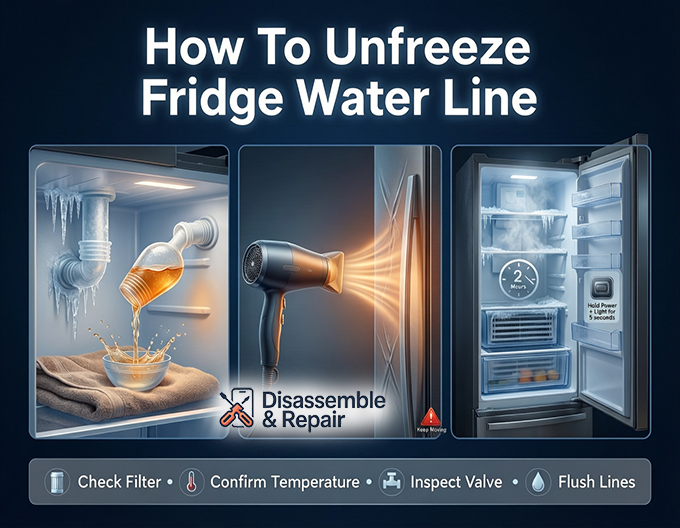
This method is widely considered the most effective way to clear a blockage in the plastic tubing that feeds the ice maker. It targets the ice directly without heating up the entire appliance.
- Locate the Blockage: Open your freezer and find the fill tube. This is usually a small nozzle protruding from the back or side wall, positioned directly over the ice mold.
- Prepare Your Tools: You will need a cup of warm water (not boiling, to avoid damaging plastic components) and a turkey baster or a specialized oral syringe.
- Inject the Water: Suck the warm water into the turkey baster. Place the tip into the end of the frozen fill tube and gently squeeze. The hot water will melt the ice on contact.
- Catch the Runoff: Have a towel or bowl ready to catch the water as it flows back out. Repeat this process 3 to 5 times until the water flows freely through the tube.
Method 2: The hair dryer approach
If your water dispenser in the door is frozen, you cannot easily access the tubing inside the door insulation. In this case, radiant heat is your best option.
- Safety First: Unplug your refrigerator or turn off the shut-off valve to ensure safety.
- Apply Heat: Set a hair dryer to a “low” or “medium” heat setting. Aim it at the water dispenser recess and the door liner directly behind it.
- Keep Moving: Do not hold the dryer in one spot for too long, as high heat can warp the plastic liner or damage the foam insulation. Move the dryer back and forth for about 10–15 minutes.
- Check Flow: Periodically try the dispenser. Once the ice plug melts, water should begin to flow immediately.
Method 3: Utilizing the defrost cycle
Your refrigerator has a built-in defrost cycle designed to keep the evaporator coils clear of frost. However, this cycle is sometimes too short to melt a solid ice block in the water lines.
For a more thorough thaw, you can manually unplug the refrigerator and leave the doors open for 2–4 hours. This allows the ambient temperature to unfreeze the lines naturally. If you are comfortable with technical settings, some specific models (like GE, Samsung, or Whirlpool) allow you to trigger a “forced defrost” mode using a specific button combination on the control panel. This forces the heater to run, which can help thaw lines near the evaporator.
Troubleshooting: When it’s not just ice
If you have thawed the lines but still have no water, the problem might lie with the hardware itself.
The water inlet valve
The water inlet valve is the gatekeeper of your fridge’s water supply. It uses an electrical solenoid to open and close the flow of water. If the solenoid valve is defective, it may not open even when the signal is sent.
- Listen for the Hum: When you press the dispenser, listen closely. A buzzing or humming sound usually indicates the solenoid is working and trying to open (suggesting a frozen line or lack of water pressure).
- Silence: Absolute silence when pressing the paddle often points to a failed solenoid or an electrical issue.
Freezer temperature settings
Prevention is better than a cure. If your freezer temperature is set too low, the water lines running through the door or back wall can freeze repeatedly.
- Optimal Range: Keep your freezer between 0°F and 10°F (-18°C to -12°C).
- Check Airflow: Ensure vents inside the freezer are not blocked by food packages, which can cause cold spots that freeze the water lines.
Final checks and prevention
Once you have successfully cleared the line, run two to three gallons of water through the dispenser to flush out any remaining ice chips or stagnant water. If the plastic tubing was cracked by the expansion of the ice, you will notice a leak immediately; in this case, the tubing must be replaced.
By keeping your freezer at the correct temperature and regularly changing your filter, you can prevent future freeze-ups. Whether you choose the turkey baster method for a quick fix or the hair dryer for a door issue, knowing how to unfreeze fridge water line blockages ensures you always have access to fresh, cold water and ice.
Frequently asked questions
How can I tell if the water line is frozen or if the filter is just clogged?
If you haven’t replaced your water filter in the last six months, try that first, as sediment buildup can mimic a frozen line. If the flow remains blocked after a filter change, or if you can see ice forming in the ice maker fill tube, the line is likely frozen.
What temperature should I set my freezer to avoid frozen lines?
To prevent your water lines from freezing, you should maintain a freezer temperature between 0°F and 10°F (-18°C to -12°C). Additionally, ensure that food packages are not blocking the air vents, which can cause localized cold spots that freeze the tubing.
Is it safe to use a hair dryer on my refrigerator?
Yes, but you must be careful. Use a “low” or “medium” heat setting and keep the hair dryer moving constantly. Holding it in one spot for too long can warp the plastic door liner or damage the foam insulation. For maximum safety, always unplug the refrigerator before applying heat.
What should I do if the line is thawed but water still won’t flow?
If the line is clear but you still have no water, the water inlet valve may be defective. Listen for a hum when you press the dispenser; a humming sound suggests the valve is trying to work, while absolute silence often points to a failed solenoid or an electrical problem that requires a hardware replacement.