
Encountering an error code on your kitchen appliance can be frustrating, especially when the “LG dishwasher bE” code halts your cleaning cycle midway. These alphanumeric signals are your machine’s way of communicating specific malfunctions, ranging from simple sensor issues to more complex mechanical failures. As a Senior SEO Specialist and appliance expert, I will guide you through diagnosing and resolving the “bE,” “dE,” and the often-misinterpreted “SE” error codes, ensuring your unit returns to peak performance.
Understanding the LG Dishwasher bE Error Code
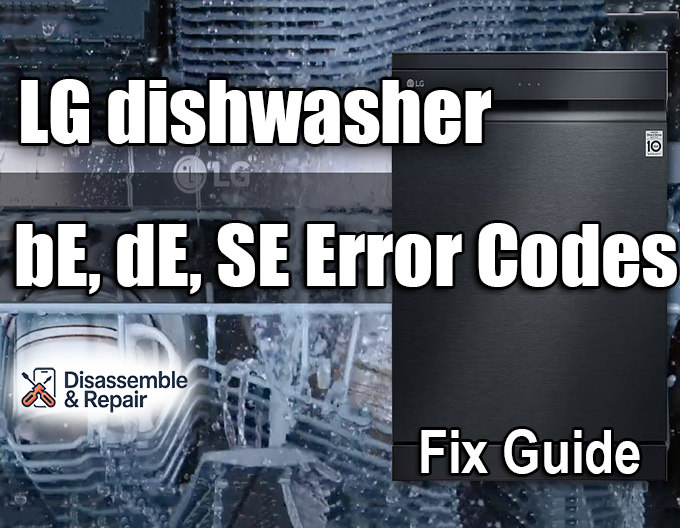
The LG dishwasher bE error is one of the most common issues users face, yet it is often misunderstood. While it can sometimes indicate a control panel issue, in most modern LG models, “bE” stands for Bubble Error or oversudsing. This occurs when the machine detects an excessive amount of detergent suds inside the tub, which can interfere with the washing mechanism and even cause leaks.
Causes of the bE Error
- Improper Detergent Use: Using standard liquid dish soap (meant for hand washing) instead of specialized automatic dishwasher detergent is the primary culprit. Even a small amount of hand soap can create a massive volume of detergent suds that triggers the sensor.
- Unleveled Appliance: If your dishwasher is not perfectly level, water and suds may pool in areas where sensors are located, falsely triggering a flood or bubble warning.
- Control Board Glitch: In some cases, a “bE” code (sometimes displayed as “BE”) can indicate a control board malfunction or a “Button Error” where a key on the touch pad is stuck.
How to Fix the bE Error
To resolve the “LG dishwasher bE” error, follow these professional troubleshooting steps:
- Clear the Suds: If you see visible foam, turn off the machine and let the suds dissipate for 1-2 hours. You can also pour a small amount of cooking oil or milk into the tub to help break down the bubbles.
- Check Leveling Legs: Use a spirit level to check the alignment of your unit. Adjust the leveling legs at the bottom of the machine to ensure it is perfectly flat. An unlevel machine can cause water to slosh into the base, tripping the float switch and triggering the error.
- Perform a Hard Reset: Turn off the dishwasher and flip the circuit breaker reset switch in your home’s electrical panel. Leave it off for at least 60 seconds before turning it back on. This clears the memory of the main control board and can clear temporary glitches.
- Inspect Buttons: If suds are not the issue, run your finger along the control panel buttons. Ensure none are physically stuck or depressed, as this can trigger the “Button Error” variation of the code.
Diagnosing the dE Error Code
The “dE” error code stands for Door Error. This indicates that the control board thinks the door is not securely latched, preventing the cycle from starting. It is crucial to distinguish this from the “OE” (Drain Error) code, as the digital display font can sometimes make “dE” look like “OE”.
Common Culprits for dE
- Faulty Door Latch Assembly: The mechanical latch that holds the door shut may be broken or misaligned.
- Obstructions: Large dishes or silverware baskets might be protruding, preventing the door from sealing completely.
- Door Strike Issue: The metal strike plate on the tub frame might be bent or loose.
Repairing the dE Error
- Check for Obstructions: Slide the racks in and out to ensure nothing is blocking the door.
- Inspect the Door Latch Assembly: Visually inspect the latch at the top of the door. If the plastic hook is broken or the spring is loose, the entire door latch assembly may need replacement.
- Reset the Sensor: Sometimes, firmly pushing the door closed can engage the switch. If the error persists, the wiring harness connecting the door latch to the main board may be loose or damaged.
Decoding the SE Error Code (and LE Connections)
The “SE” error is less common in official LG dishwasher documentation compared to washing machines, where it stands for “Sensor Error.” In the context of dishwashers, users often report seeing an “SE” code when the issue is actually related to the motor speed or a misreading of the “LE” (Locked Error) or “5E” (if confusing with Samsung codes) display.
If you see an “SE” or “LE” code, it typically points to a problem with the Direct Drive system or the motor’s ability to spin.
The Role of the Hall Sensor and BLDC Motor
LG dishwashers use a BLDC motor (Brushless Direct Current motor) which is efficient and quiet. This motor relies on a component called a Hall sensor to monitor the speed and position of the rotor.
- Hall Sensor Failure: If the Hall sensor fails to send a signal to the control board, the machine cannot verify that the spray arms are spinning. This will result in an error code (often LE, potentially interpreted as SE) and the cycle will stop.
- Locked Motor: A foreign object, like a piece of broken glass or a bone, may be jammed in the pump impeller, physically stopping the BLDC motor from turning.
Troubleshooting SE/LE Errors
- Inspect the Wiring Harness: A damaged wiring harness between the motor and the control board can interrupt the signal from the Hall sensor. Check for any pinched or frayed wires, especially near the door hinge.
- Check the Drain Pump and Motor: While the drain pump is separate from the main wash motor, a blockage in the sump area can affect both. Remove the filter and check the sump for debris that might be jamming the system.
- Professional Diagnostic: If the motor spins freely by hand but the error persists, the issue is likely electronic. The Hall sensor or the main control board may require replacement by a certified technician using LG dishwasher parts.
Advanced Troubleshooting: Differentiating Between Errors
When diagnosing these codes, it is vital to observe the machine’s behavior during the error.
- Does the machine drain? If the unit is full of water and not draining, you might be misreading “OE” (Outlet Error) as “dE”. In this case, check the drain pump and hose for clogs.
- Is there water on the floor? If you see water leaking, the float switch in the base pan may have triggered an AE or E1 error, which can be related to the LG dishwasher bE issue if the leak was caused by excessive suds overflowing.
Maintenance Tips to Prevent Errors
- Use High-Quality Detergents: Stick to pods or powder designed for modern dishwashers to avoid the detergent suds that trigger the bE code.
- Regular Leveling: Check your leveling legs once a year. Kitchen floors can settle, shifting the angle of the machine.
- Clean Filters: Regularly cleaning the filter prevents debris from reaching the drain pump or jamming the direct drive system.
Conclusion
Resolving the “LG dishwasher bE,” “dE,” or “SE” error codes often requires a systematic approach. By understanding the specific roles of components like the door latch assembly, Hall sensor, and control board, you can accurately diagnose the problem. Whether it’s a simple fix like clearing suds or a more involved repair like replacing a wiring harness, taking the time to troubleshoot correctly can save you the cost of a service call. Always remember to start with a simple circuit breaker reset—it fixes more glitches than you might expect. If mechanical parts like the BLDC motor or drain pump are confirmed faulty, ensure you replace them with genuine LG dishwasher parts to maintain the longevity of your appliance.
Frequently Asked Questions
What is the most common cause of the bE error on an LG dishwasher?
The bE error, or Bubble Error, is most frequently caused by using the wrong detergent, such as standard liquid dish soap meant for hand washing. This creates excessive suds that interfere with the machine’s sensors. It can also be triggered if the dishwasher is not properly leveled or if a button on the control panel is physically stuck.
How can I fix a dE error if the door seems to be closed?
If the dE (Door Error) persists despite the door being shut, check for obstructions like protruding silverware or large plates that might prevent a tight seal. If no obstructions exist, inspect the door latch assembly and the metal strike plate for physical damage or misalignment. A hard reset by flipping the circuit breaker for 60 seconds can also help clear a temporary sensor glitch.
What should I do if I see an SE or LE error code?
These codes typically indicate a problem with the motor system, specifically the BLDC motor or the Hall sensor that monitors its speed. First, check the sump and drain pump area for debris like broken glass or food scraps that might be jamming the motor. If the motor is clear but the error remains, the Hall sensor or the wiring harness may be damaged and require professional repair.
Can regular maintenance prevent these error codes?
Yes, most of these errors can be avoided through proper care. Always use high-quality detergents designed specifically for automatic dishwashers to avoid sudsing issues. Additionally, check that your unit is level at least once a year and regularly clean the filters to prevent debris from reaching the drain pump or the direct drive system.