
Is your LG washer leaking water from bottom of the unit, creating a puddle on your laundry room floor? Discovering an LG washer leaking water from bottom can be alarming, but it is often caused by a specific, identifiable component that can be repaired or replaced. As a Senior SEO Specialist and appliance repair expert, I have compiled a comprehensive guide to help you diagnose and fix this issue effectively.
Below is a detailed technical analysis of the most common culprits, ranging from the drain pump to the tub seal, along with actionable steps to resolve the leak.
Why Is Your LG Washer Leaking Water From Bottom?
When diagnosing a leak, it is crucial to understand that gravity causes water from various internal sources to pool at the base of the machine. While the puddle appears at the bottom, the actual source could be higher up. The following sections break down the specific entities and components responsible for these leaks.
1. The Door Boot Seal (Rubber Gasket)
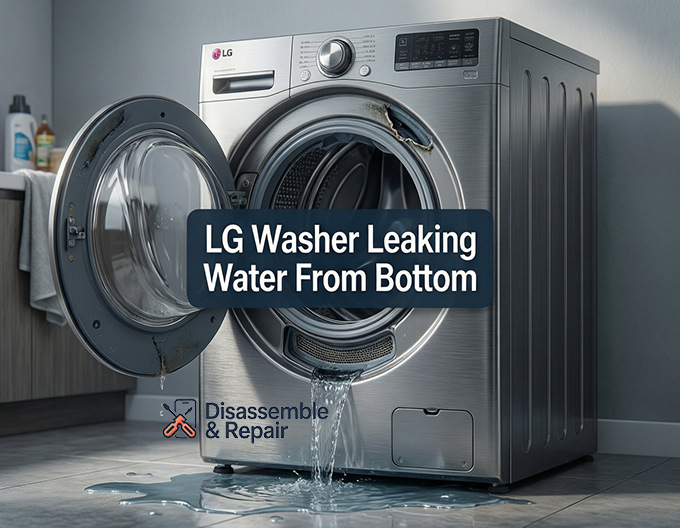
For a front load washer, the door boot seal (also known as the rubber gasket) is the most frequent cause of leaks. This component creates a watertight seal between the door and the outer tub.
- Common Issues: Over time, the rubber can become brittle, moldy, or torn. Sharp objects left in pockets, such as keys or coins, can puncture the seal. Even a small tear can allow water to escape, run down the front interior of the cabinet, and appear as a leak from the bottom.
- Inspection: Open the door and peel back the folds of the gasket. Look closely for any rips, holes, or trapped debris. Ensure the spring clamp retaining the seal is tight and not rusted.
2. Drain Pump and Filter
The drain pump is responsible for expelling water from the washer during the drain and spin cycles. It is located at the bottom of the machine, usually behind a small access door on the front or accessible from underneath.
- Drain Pump Filter: If the drain pump filter (or coin trap) is not tightened completely after cleaning, water will leak out during the drain cycle. The O-ring on the filter must be clean and seated correctly.
- Pump Housing: The plastic housing of the drain pump can crack due to age or impact from foreign objects. If the pump itself is leaking, you will typically see water dripping directly from the pump assembly when the machine is full.
- Internal Hoses: The small hose connecting the tub to the pump can sometimes chafe or loosen.
3. Water Inlet Valve
The water inlet valve controls the flow of hot and cold water into the machine. It is located at the back of the washer but can cause leaks that travel down the back panel and pool at the bottom.
- Symptoms: If you find a puddle even when the washer is turned off, the water inlet valve may have failed, allowing water to slowly seep into the machine and overflow. Alternatively, cracks in the valve body can spray water internally during the fill cycle.
- Diagnosis: Inspect the valve for visible cracks or corrosion. Ensure the inlet hoses are screwed on tightly.
4. Detergent Dispenser
The detergent dispenser assembly directs water through the soap drawer and into the tub.
- Overflow: If water pressure is too high or the dispenser requires cleaning, water can splash over the sides of the dispenser housing.
- Cracks: The plastic housing can develop stress cracks over time. Water escaping here often runs down the inside of the front panel, dripping onto the floor near the front left corner (for most models).
- Hose Connections: The hose connecting the dispenser to the tub is secured with clamps. If these clamps loosen or the hose becomes brittle, a leak will occur during the fill cycle.
5. Internal Hoses and Clamps
Your LG washer contains a network of internal hoses that transport water between components.
Read more LG washing machine OE error
- Drain Hose: The internal portion of the corrugated drain hose can rub against the cabinet or washer frame during the spin cycle, leading to abrasion holes.
- Tub-to-Pump Hose: This large accordion-style hose connects the bottom of the tub to the drain pump. Because it handles significant vibration, the clamps securing it can loosen, or the rubber can fatigue and split.
- Pressure Switch Hose: While the pressure switch itself (air dome hose) rarely leaks water, a blockage or disconnection here can cause the machine to overfill. If the machine overfills, water may spill out from overflow ports, appearing as a leak from the bottom.
6. Tub Seal and Bearings
This is a more severe mechanical failure. The tub seal is located in the center of the rear outer tub, preventing water from reaching the bearings and the motor.
- Symptoms: A failed tub seal allows water to pass through the bearings. You may hear a loud roaring noise during the spin cycle (indicating bearing failure) accompanied by rusty water leaking from the bottom center of the machine.
- Repair: Replacing a tub seal is a major repair requiring the complete disassembly of the washer.
7. External Drain Hose
Sometimes, the issue is external. Check the drain hose where it exits the back of the machine. If the hose is cracked or not inserted deeply enough into the standpipe, water can splash back and run down the floor, mimicking a machine leak.
Step-by-Step Troubleshooting Guide
To accurately pinpoint the “LG washer leaking water from bottom” issue, follow this logical diagnostic process.
Read more lg washing machine not filling with water
Step 1: Safety First
Always unplug the washer and turn off the water supply taps before removing any panels. Water and electricity are a dangerous combination.
Step 2: Check the External Connections
Before opening the cabinet, inspect the easy-to-reach areas:
- Water Inlet Hoses: Dry the connections with a paper towel. Run your hand around the faucets and the back of the washer to feel for moisture.
- Drain Hose: Ensure the drain hose is secure in the standpipe and not cracked.
- Drain Pump Filter: Open the small door at the bottom front. Ensure the black round filter is screwed in tightly. Check the small manual drain hose next to it for cracks or a missing plug.
Step 3: Inspect the Door Area
Open the main door and examine the rubber gasket thoroughly. Pull back the lip and use a flashlight to look for punctures. If you see water trails or rust stains below the door, the seal is likely the culprit.
Read more LG front load washing machine not filling with water
Step 4: Remove the Top Panel
To inspect internal components like the detergent dispenser and water inlet valve:
- Remove the screws at the back of the top panel.
- Slide the panel back and lift it off.
- Look for water trails or standing water on top of the dispenser or near the valves.
Step 5: Service Mode (Active Testing)
If the leak is small, you may need to observe the machine in operation.
- Warning: perform this only if you are comfortable working near live appliances.
- Run a short cycle. Watch the detergent dispenser during the fill stage.
- Watch the internal hoses and clamps for drips.
- Shine a flashlight down toward the bottom of the tub to see if water is dripping from the tub seal area.
Step 6: Inspect the Bottom (Drain Pump)
If the leak only happens during the drain cycle:
- Tilt the washer back (have a helper support it) or remove the rear access panel if applicable.
- Locate the drain pump. Look for white residue or water tracks on the pump motor or the floor directly beneath it.
- Check the clamps on the hose connecting the tub to the pump.
Repair Solutions for Common Leaks
Fixing a Leaking Door Boot Seal
If the rubber gasket is torn, it must be replaced. Patching is rarely successful long-term.
- Remove the wire clamp holding the seal to the front panel.
- Remove the door lock assembly screws.
- Remove the front panel of the washer to access the inner clamp.
- Remove the old seal and install the new one, ensuring the drain holes are at the 6 o’clock position.
- Secure the clamps tightly to ensure a waterproof seal.
Replacing a Defective Drain Pump
If the drain pump housing is cracked:
- Access the pump from the bottom or by removing the front panel.
- Disconnect the wire harnesses and hoses (have a towel ready for residual water).
- Unbolt the old pump and install the new OEM part.
- Double-check that the hose clamps are positioned correctly to prevent future leaks.
Addressing Water Inlet Valve Leaks
If the water inlet valve is leaking:
- Shut off water supply.
- Disconnect inlet hoses.
- Remove the screws securing the valve to the back panel.
- Transfer the wire connectors to the new valve one by one to ensure correct wiring.
- Reconnect the internal hose clamps securely.
Conclusion
Finding an LG washer leaking water from bottom can be stressful, but breaking down the problem into individual components makes it manageable. By systematically checking the door boot seal, drain pump, water inlet valve, and internal hoses, you can identify the source of the leak.
For minor issues like a loose drain pump filter or a worn rubber gasket, DIY repair is often feasible. However, if the issue stems from a failed tub seal or requires extensive disassembly of the front load washer, consulting a professional technician is recommended to prevent further damage to the appliance. Regular maintenance, such as cleaning the debris filter and inspecting hoses, is the best defense against future leaks.
Frequently Asked Questions
What is the most common cause of an LG front-load washer leaking from the bottom?
The most frequent cause is a damaged or worn door boot seal (rubber gasket). Over time, this seal can develop small tears from sharp objects left in pockets or become brittle with age, allowing water to escape from the front of the tub and pool at the base of the machine.
Why does my washer leak water even when it is not running?
If you find a puddle while the washer is turned off, the issue is likely a faulty water inlet valve. When this valve fails to close completely, water continues to seep into the machine, eventually overflowing the tub and leaking onto the floor.
Read more LG washing machine PF error
How do I know if the leak is coming from the drain pump?
Leaks from the drain pump typically occur during the drain or spin cycles. You should check the drain pump filter (coin trap) located behind the small access door at the bottom front of the unit to ensure it is tightened correctly. If the filter is tight but water is still dripping, the pump housing may be cracked or an internal hose clamp may have loosened.
What does it mean if the leaking water is rusty and the washer is making a loud noise?
This combination of symptoms usually points to a failed tub seal and bearings. When the seal fails, water enters the bearing assembly, causing a loud roaring sound during the spin cycle and allowing rusty-colored water to drip from the bottom center of the washer. This is a significant repair that typically requires professional assistance.