
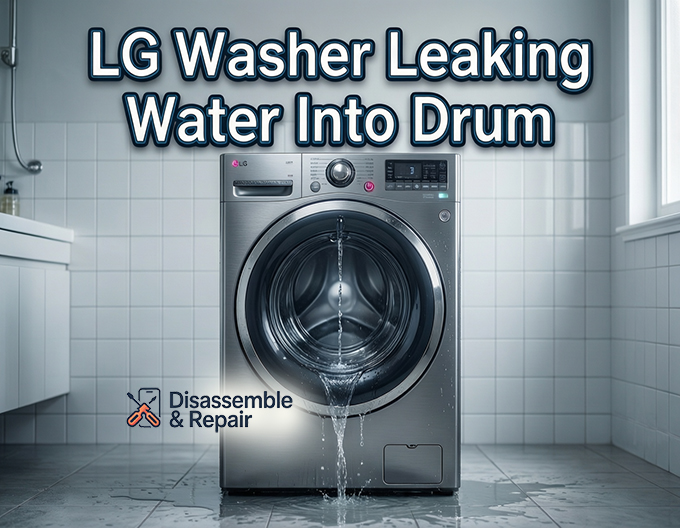
Discovering standing water in your laundry appliance when it is not in use can be a baffling and concerning issue for homeowners. If you notice your LG washer leaking water into drum while the machine is powered off, it is a clear indication that a specific internal component has failed or is malfunctioning. This guide provides a professional technical analysis of why this occurs, utilizing industry-standard terminology to help you diagnose and resolve the issue effectively.
Understanding the Mechanics of the Leak
When a washing machine fills with water without receiving a signal from the control board, the issue is almost exclusively mechanical rather than electrical. In a standard operating cycle, water flow is strictly controlled by electronic signals opening and closing valves. However, when the unit is unplugged or idle, physical barriers are the only thing stopping the water pressure from your home’s plumbing from entering the machine.
For an LG washer leaking water into drum, the water source is usually the home’s water supply, but in rare cases, it can be backflow from the drainage system. Distinguishing between clean water and dirty water is the first step in diagnosis. If the water inside the drum is clear and odorless, it is entering through the water supply lines. If the water is murky or has an odor, it is likely entering via the drain system.
Primary Cause: The Water Inlet Valve Failure
The most prevalent cause of this specific leak is a defect in the water inlet valve. This component acts as the gatekeeper for your washing machine, connecting the hot and cold water supply line to the detergent dispenser and the tub.
How the Solenoid Valve Works
The inlet valve assembly consists of two or more solenoids. A solenoid valve is an electromechanical device that uses an electric current to generate a magnetic field, which lifts a plunger and allows water to flow. When the electricity is cut (i.e., when the washer is off), a spring should force the plunger down against a rubber diaphragm to create a watertight seal.
Over time, these components degrade. If the LG washer leaking water into drum phenomenon is occurring, it typically means the solenoid plunger is stuck in a partially open position or the rubber diaphragm has developed a tear or lost its elasticity. Even a microscopic gap allows the constant pressure from your home’s pipes to force water past the seal, resulting in a slow drip that eventually fills the drum.
Read more LG washing machine E1 error
The Role of Sediment Buildup
A major contributor to valve failure is sediment buildup. Water supplies, particularly those in areas with hard water, contain minerals, sand, and calcium particles. While the inlet hose connects to the machine with a small mesh filter screen, fine debris can pass through or the screens can become clogged.
When sediment accumulates inside the valve body, it can prevent the solenoid from closing flush against the valve seat. This debris acts like a wedge, keeping the seal slightly open. In this scenario, cleaning the valve is rarely successful; the internal abrasion usually requires the entire valve assembly to be replaced to ensure a permanent fix.
Secondary Cause: Siphonage and Drain Hose Issues
If the water appearing in your front load washer is dirty or appears after you have used the sink or dishwasher, the issue may not be the supply line but rather the drain hose. This phenomenon is known as siphonage.
Siphonage occurs when a vacuum is created in the drain plumbing, sucking wastewater back into the machine. This is frequently caused by improper installation of the drain hose. For an LG washer to drain correctly, the drain hose must be elevated above the water level in the drum but not sealed airtight into the standpipe.
If the drain hose is pushed too far down into the standpipe, or if the end of the hose is submerged in standing water within the drain pipe, dirty water can siphon back into the drum once the cycle finishes. Furthermore, if the drain hose is connected to a sink spigot without an air gap, sink water can flow down into the washer by gravity.
Tertiary Cause: Pressure Switch Malfunctions
While less common when the machine is off, a faulty pressure switch (also known as a water level sensor) is a critical entity in the water regulation ecosystem. The pressure switch monitors the air pressure within a tube connected to the drum. As water rises, air pressure increases, triggering the switch to tell the control board to cut power to the water inlet valve.
Read more LG washing machine error code list
If the pressure switch is defective or the air tube is clogged, the machine may overfill during a cycle. However, a pressure switch cannot physically stop water flow if the machine is off; it only controls the electrical signal. Therefore, if the leak occurs while the machine is unplugged, the pressure switch is not the culprit. If the leak occurs during a cycle and overflows, the pressure switch should be investigated immediately.
Step-by-Step Diagnostic Procedure
To accurately determine why you have an LG washer leaking water into drum, follow this professional diagnostic workflow.
1. Isolate the Water Supply
Turn off both the hot and cold water taps on the wall behind the washer. Disconnect the power cord.
Read more LG washer shaking violently during spin
- Observation: Dry out the drum completely. Leave the water supply off for 24 hours.
- Result A: If no water appears, the issue is confirmed to be the water inlet valve. The valve cannot hold back the pressure.
- Result B: If water still appears, check the water quality. If it is dirty, investigate the drain hose for backflow or siphonage issues.
2. Test Individual Valves
If you determine it is an inlet valve issue, you need to know if it is the cold water valve or the hot water valve.
- Turn on only the cold water supply and wait. If the leak returns, the cold solenoid is the failure point.
- Repeat the process with only the hot water supply.
- Note: LG washers often have a valve assembly where hot and cold are integrated or clustered. It is standard appliance repair practice to replace the entire assembly rather than individual solenoids to prevent future leaks.
3. Check for Sediment and Filters
Shut off the water and unscrew the inlet hose from the back of the washer. Look inside the threaded connection on the washer.
- Use needle-nose pliers to gently remove the mesh filter screens.
- Inspect them for sediment buildup.
- While cleaning these screens improves flow, if the leak persists after cleaning, the internal valve mechanism is damaged.
Repair Guidelines and Safety
Replacing a water inlet valve is a moderate-level repair that can be performed by a homeowner or a professional.
Safety Warning: Always unplug the appliance before attempting any disassembly to avoid electrical shock. Ensure water supplies are turned off and hoses are drained to prevent water damage to your floor.
Replacing the Water Inlet Valve
- Access: Remove the top panel of the front load washer. This usually involves removing screws at the back of the unit and sliding the panel back.
- Locate: Follow the water intake connections to find the valve assembly.
- Disconnect: Photograph the wiring harness connections to ensure correct reassembly. Disconnect the wire harnesses from the solenoid valve terminals.
- Remove Hoses: Compress the clamps on the internal rubber hoses connecting the valve to the dispenser and slide them off.
- Replace: Unscrew the valve assembly from the back panel. Install the new OEM (Original Equipment Manufacturer) valve.
- Reassemble: Reconnect internal hoses and wiring. Secure the top panel.
If you are uncomfortable working with electrical components or plumbing, it is highly recommended to contact a certified appliance repair technician. Improper installation can lead to catastrophic flooding in your home.
Prevention and Maintenance
To minimize the risk of your LG washer leaking water into drum in the future, consider these maintenance steps:
Read more LG washing machine E5 error
- Install Water Hammer Arrestors: Rapidly closing solenoid valves can cause pressure spikes (water hammer) that damage valve seals over time. Arrestors absorb this shock.
- Inspect Inlet Hoses: Replace rubber hoses every 5 years. Consider using stainless steel braided hoses for better durability.
- Clean Inlet Filters: Check the mesh screens on your inlet valves annually. If you live in an area with high sediment, check them every 6 months.
- Correct Drain Installation: Ensure your drain hose utilizes the U-shaped bracket provided by LG and is not inserted more than 4 inches into the standpipe to prevent siphonage.
Conclusion
A leaking washer is a serious issue that can lead to water damage and mold growth if left unchecked. By understanding the interaction between the water supply line, the solenoid valve, and the drain hose, you can accurately identify the source of the problem. While sediment and wear are inevitable, prompt identification of a failed water inlet valve allows for a straightforward repair that restores the integrity of your appliance. Whether you choose to perform the repair yourself or hire a professional, addressing the leak immediately is essential for the longevity of your machine and the safety of your home.
Frequently Asked Questions
Why is my LG washer filling with water even when it is turned off or unplugged?
When a washer fills while idle, it is almost always a mechanical failure of the water inlet valve. Under normal conditions, a spring-loaded plunger and rubber diaphragm create a watertight seal. If these components wear out, lose elasticity, or become blocked by sediment, the constant pressure from your home’s plumbing will force water past the seal and into the drum.
How can I tell if the water is coming from the supply line or the drain?
The easiest way to diagnose the source is to inspect the water inside the drum. If the water is clear and odorless, it is fresh water coming from your home’s supply lines through a faulty inlet valve. If the water appears murky, sudsy, or has a foul odor, it is likely wastewater siphoning back into the machine from the drain hose or a connected sink.
Can I fix a leaking water inlet valve by just cleaning the filters?
While cleaning the mesh filter screens will improve water flow, it rarely stops a leak. If the valve is already dripping, it usually means sediment has caused internal abrasion or the internal diaphragm is torn. Because these valves are precision-engineered electromechanical parts, it is standard practice to replace the entire valve assembly to ensure a permanent and reliable fix.
How do I prevent “siphonage” from occurring in my front load washer?
To prevent wastewater from flowing back into your machine, ensure the drain hose is installed correctly. The hose should be elevated using the factory-provided U-bracket so it sits higher than the water level in the drum. Additionally, do not push the drain hose more than 4 inches into the standpipe, and ensure it is not sealed airtight, which allows the necessary air gap to break any vacuum suction.