
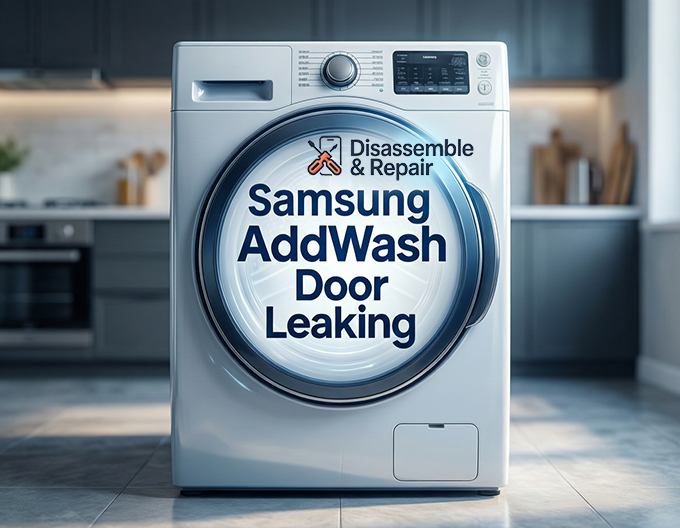
Is your Samsung AddWash door leaking water during a cycle, creating a messy puddle on your laundry room floor? This specific issue is often caused by a compromised seal or obstruction in the unique AddWash compartment, but it can also stem from broader maintenance oversights.
Common Causes of a Samsung AddWash Door Leaking
If you notice water dripping from the front of your machine, it is critical to identify the source. The AddWash feature introduces an extra entry point, meaning there are two potential failure areas: the main front-load washing machine door and the smaller AddWash door itself.
Read more Samsung washing machine 4C1 error
- Compromised Seal Integrity: The most frequent culprit is the AddWash door seal. Over time, this small rubber gasket can become deformed, torn, or coated in debris, preventing it from closing airtight.
- Obstructions: Small items like hair, threads, or lint can get trapped between the glass and the rubber seal, creating a tiny channel for water to escape.
- Drainage Issues: A drain hole blockage in the rubber bellows can cause water to pool at the front of the drum. If this water level rises too high, it may seep out through the door seal.
- Structural Damage: In some cases, the outer door frame (the plastic assembly holding the glass) may be cracked or warped from physical impact, preventing the door from locking flush against the seal.
Maintenance: Cleaning the Seal and Frame
Before ordering a replacement part, performing simple washing machine maintenance can often resolve a Samsung AddWash door leaking issue.
Read more Samsung washer drain pump reset
- Inspect for Debris: Open both the main door and the AddWash window. Run your finger along the entire circumference of the door gasket. Remove any lint accumulation, coins, or lost socks.
- Remove Detergent Residue: A buildup of detergent residue or soap scum can make the rubber surface slippery or uneven. Clean the seal thoroughly with a damp cloth and mild soap.
- Clear the Drain Holes: Look for the small drain holes at the bottom of the main rubber gasket. Ensure these are not clogged; if they are, water will pool against the door rather than draining back into the drum.
When to Replace the Door Gasket or Outer Door Frame
If cleaning does not stop the water leakage, you may have a hardware failure. Inspect the seal integrity closely. If you see visible tears, mold that won’t clean off, or if the rubber feels brittle, you likely need a new door gasket.
However, if the rubber looks healthy but the leak persists, check the hard plastic components. A hairline crack in the outer door frame can compromise the pressure needed to keep the water inside. In this scenario, replacing just the rubber seal won’t fix the problem; the entire door assembly or frame might need to be swapped out to restore a watertight seal.
Preventing Future Leaks
To prevent your Samsung AddWash from leaking again, adopt a few best practices. Always wipe down the AddWash door seal and the main gasket after every wash to prevent mold and debris buildup. Leave the door slightly ajar when not in use to allow the drum to dry, and periodically check the drain hole blockage status to ensure water flows freely. Regular care protects your appliance and keeps your floors dry.
Frequently Asked Questions
Why is my Samsung AddWash door leaking water?
The most common causes for a leak in the AddWash door include a compromised or dirty rubber seal, small obstructions like hair or lint trapped in the gasket, or a blockage in the machine’s drain holes. In some instances, the leak may be caused by a cracked or warped outer door frame that prevents a flush closure.
How do I clean the AddWash seal to stop a leak?
Open both the main door and the AddWash window and run your finger along the circumference of the gasket to remove any trapped debris or lint. Use a damp cloth with mild soap to wipe away detergent residue and soap scum, ensuring the rubber surface is clean and smooth for a proper seal.
What should I do if the drain holes are blocked?
If you notice water pooling at the front of the drum, inspect the small drain holes at the bottom of the main rubber bellows. Use a soft tool or cloth to clear any clogs. Keeping these holes clear ensures that water drains back into the drum rather than building up and seeping through the door.
When does the door seal or frame need to be replaced?
A replacement is necessary if the rubber gasket shows visible signs of damage, such as tears, brittleness, or permanent mold. If the seal appears to be in good condition but the leak continues, inspect the plastic outer door frame for hairline cracks or structural warping that might be compromising the seal’s pressure.
How can I prevent leaks from occurring in the future?
To maintain a watertight seal, wipe down the gaskets and the AddWash door after every wash cycle to prevent the buildup of debris and mold. Additionally, leave the door slightly ajar when the machine is not in use to allow the interior to dry, and periodically check that the drain holes remain unobstructed.