
A Samsung washer leaking from the back vent is a specific issue that often points to a few distinct causes, ranging from simple user errors to internal component failures. This guide provides a professional, step-by-step troubleshooting approach to diagnose and fix the leak, ensuring all critical components—from the air vent assembly to the water inlet valve—are inspected.
Troubleshooting a Samsung Washer Leaking from Back Vent
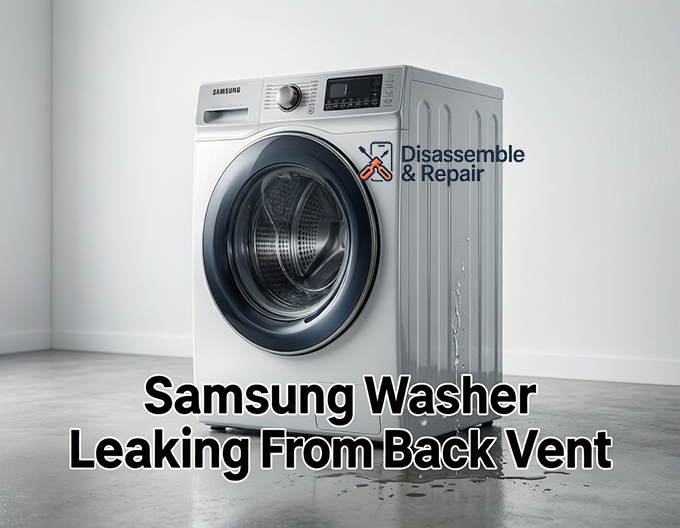
Finding a puddle of water behind your washing machine can be alarming, especially when the source isn’t immediately obvious. A Samsung washer leaking from back vent is a common problem reported by front load washer owners, typically stemming from the machine’s pressure regulation system or oversudsing issues. Unlike leaks from a burst hose, this type of leak often appears as a frothy residue or a steady trickle originating from the white plastic grid (the air vent) located on the rear panel of the unit.
While this issue can sometimes require part replacement, it is frequently solvable with maintenance and adjustments to your laundry routine. This comprehensive guide will walk you through the diagnosis and repair process.
1. The Primary Culprit: Oversudsing and Detergent Usage
The most frequent cause of a Samsung washer leaking from back vent is not a broken part, but rather the physics of foam. Front load washers are designed to operate with very little water and rely on the tumbling action to clean clothes. The air vent assembly on the back of the machine is designed to equalize air pressure inside the drum. However, if the drum fills with excess suds, the foam rises and pushes through this vent, carrying water with it.
The Role of HE Detergent
Modern Samsung washers are High-Efficiency (HE) machines. They strictly require HE detergent, which is formulated to be low-sudsing.
- Non-HE Detergent: Using regular detergent will create an uncontrollable volume of suds that the machine cannot drain, forcing the foam out of the rear overflow vent.
- Quantity Matters: Even with HE detergent, using too much can trigger oversudsing. A tablespoon is often sufficient for a normal load. If you see suds remaining on the glass door after the cycle ends, you are using too much soap.
Solution:
- Immediately run a “Self Clean” or empty hot water cycle to flush out the excess soap residue.
- Switch to a verified HE detergent and drastically reduce the amount used per load.
2. Inspecting the Air Vent Assembly and Mushroom Valve
If you have ruled out detergent issues, the mechanical cause is likely within the air vent assembly itself. This system allows air to escape the drum but contains a mechanism to stop water from exiting.
Inside the rubber hose connecting the tub to the back vent, there is often a component technically referred to as a “mushroom valve.” This valve should lift to allow air out but seal shut when water splashes up.
- The Failure: Over time, lint, debris, or sticky softener residue can gum up the valve or the drain hose leading to the vent. If the valve gets stuck in the “open” position, water from the spin cycle will splash directly out of the back.
- The Fix: You may need to remove the top panel of the washer to access the vent hose. Clean the hose and the valve thoroughly. If the plastic vent assembly is cracked or the rubber is brittle, the entire assembly may need replacement.
3. Water Inlet Valve Malfunction
Another hardware culprit is the water inlet valve. This component controls the flow of hot and cold water into the machine. It is located at the back of the washer, often near the vent area.
If the water inlet valve is defective or has a loose solenoid, it may leak water directly inside the casing, which then trickles out of the nearest opening—often the back vent or the seams near it. Furthermore, if the valve fails to close completely, it can slowly fill the drum with water when the machine is off. This unexpected rise in water level can eventually reach the overflow vent level and leak out the back.
Diagnosis:
Read more Samsung washing machine HE error
- Check if the drum is wet even when a cycle hasn’t been run recently.
- Inspect the area around the hose connections on the back of the machine for rust or moisture.
4. Pressure Switch and Water Level Sensor Issues
The pressure switch (also known as the water level sensor) is the brain that tells the washer how much water is in the drum. It operates by measuring air pressure in a small tube connected to the bottom of the tub.
If this switch is faulty or the tube is clogged:
- The machine will fail to detect that the water level is rising.
- The water inlet valve will continue to pump water into the drum.
- The water level will rise beyond the safe limit and pour out of the overflow vent at the back.
Troubleshooting:
- Disconnect power to the washer.
- Remove the top panel and locate the pressure switch (usually a round disc with a small tube and wires attached).
- Ensure the small tube is not kinked, disconnected, or clogged with gunk. If the sensor itself is reading incorrectly, it requires replacement.
5. Machine Leveling and Physical Setup
Proper machine leveling is critical for front load washers to function correctly. If the washer is tilted forward or backward, water pools in areas not designed to hold it.
- Back Tilt: If the washer leans too far back, water during the fill cycle may splash closer to the air vent opening than intended, overwhelming the internal baffles.
- Vibration: An unlevel machine vibrates excessively. This vibration can loosen internal clamps, such as those securing the drain hose or the vent tube, leading to intermittent leaks.
Use a carpenter’s level to check the machine from side-to-side and front-to-back. Adjust the locking legs at the bottom until the bubble is perfectly centered.
6. The Detergent Drawer and Hose System
While less common for a back leak, issues with the detergent drawer can mimic this problem. Water enters the drawer to flush the soap into the tub. If the drawer is cracked or the hose connecting the drawer to the tub is loose, water can leak inside the cabinet.
Because the cabinet is not perfectly sealed, water leaking from the dispenser area can travel along the metal frame and drip out the back, making it look like a vent leak. Always pull out the detergent drawer and inspect the housing for cracks or blockages that might cause water to back up and overflow internally.
Read more Samsung washing machine BE1 error
7. Maintenance of the Drain Pump Filter
Regular maintenance of the drain pump filter is essential for preventing leaks, though it is located at the front of the machine. A clogged filter restricts the machine’s ability to drain water quickly.
- The Connection: If the washer cannot drain water fast enough during the rinse or spin cycle, the water level inside the drum remains dangerously high while the drum is spinning. This turbulence can force water upward and out through the rear air vent.
- Routine Care: Clean the drain pump filter (usually located behind a small door on the bottom front) at least once a month. Ensure the impeller inside moves freely.
Summary of Repair Steps
To resolve a Samsung washer leaking from back vent, follow this logical order of operations:
- Check Habits: Ensure you are using a small amount of HE detergent and not overloading the machine.
- Level the Unit: Verify the machine leveling is precise.
- Clean the System: Run a Self Clean cycle to remove suds residue. Check the drain pump filter for blockages.
- Internal Inspection: If the leak persists, unplug the machine and remove the top panel.
- Inspect the air vent assembly and hose for blockages or disconnection.
- Check the water inlet valve for signs of leakage.
- Verify the pressure switch hose is clear and connected.
By systematically isolating these components, you can identify whether the leak is a simple case of oversudsing or a sign that a specific part like the water level sensor or inlet valve needs professional replacement.
Frequently Asked Questions
Why is my Samsung washer leaking specifically from the air vent in the back?
This usually happens due to “oversudsing” or a mechanical failure within the pressure system. The back vent is designed to balance air pressure inside the drum; however, if the drum fills with too much foam (from using the wrong detergent) or too much water (due to a sensor failure), the excess is forced out through this vent.
How can I tell if I am using too much detergent?
The most common sign is seeing suds or a frothy residue remaining on the glass door or inside the drum after the cycle has finished. Samsung front-load washers are High-Efficiency (HE) machines and typically only require about one tablespoon of HE-certified detergent per load. If you use regular detergent or too much HE soap, it will create excess foam that leaks out the rear overflow vent.
Can an unlevel machine really cause a leak from the vent?
Yes. If the washer is tilted backward, water can pool near the air vent opening or splash against the internal baffles more easily during the wash and spin cycles. Furthermore, excessive vibration from an unlevel machine can loosen the internal clamps and hoses that connect the tub to the vent assembly, leading to leaks.
What should I check if my washer leaks even when it is turned off?
If you see water trickling from the back vent or find the drum filling up while the machine is not in use, the water inlet valve is likely the culprit. If this valve fails to close completely, water will slowly seep into the machine until it reaches the height of the overflow vent and spills out the back.
Read more Samsung washing machine 3E2 error
How do I fix a stuck mushroom valve in the vent assembly?
The mushroom valve is located inside the hose connecting the tub to the rear vent. Over time, it can become stuck due to lint or fabric softener buildup. To fix it, you must unplug the washer, remove the top panel, and disconnect the vent hose. Clean the valve and the hose thoroughly with warm water to ensure the valve can move freely to seal against splashing water.