
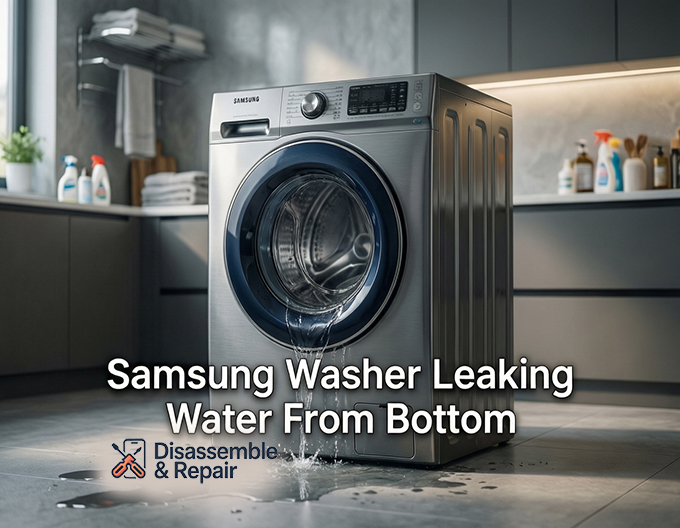
Discovering a pool of water on your laundry room floor can be a frustrating experience for any homeowner. If you have discovered your Samsung washer leaking water from bottom, it is crucial to address the issue immediately to prevent potential flooring damage or electrical hazards. While Samsung appliances are generally known for their reliability, leaks can develop over time due to wear and tear, loose connections, or maintenance oversights.
In the realm of appliance troubleshooting, a leak originating from the bottom of the unit is often more ambiguous than a leak from the door or the back. It suggests that gravity is pulling water from an internal component down to the base of the machine. This guide will walk you through the diagnostic process, utilizing a professional approach to identify faulty components such as the drain pump, internal hoses, or seals.
Safety Precautions Before Troubleshooting
Before attempting any diagnostics, safety is paramount. Water and electricity are a dangerous combination.
Read more Samsung washing machine LC2 error
- Disconnect Power: Unplug the washing machine from the wall outlet or flip the circuit breaker.
- Turn Off Water: Shut off the hot and cold water supply valves behind the machine.
- Prepare the Area: Have towels, a bucket, and a wet/dry vacuum ready to manage existing water.
Primary Causes for a Samsung Washer Leaking Water from Bottom
Identifying the source of the leak requires a systematic inspection of the machine’s internal anatomy. Below are the most common culprits, ranked from the simplest maintenance issues to more complex mechanical failures.
1. The Drain Filter and Debris Filter Assembly
For a Samsung front load washing machine, the most common source of a bottom leak is actually accessible from the front, though the water flows underneath. The debris filter (also known as the drain filter) is located behind a small door at the bottom front of the unit.
If this filter is clogged, loose, or if the rubber seal on the cap is damaged, water will seep out during the drain cycle. Because the filter housing is low to the ground, the water travels under the machine, making it appear as though the leak is coming from the center bottom.
- Inspection: Open the small access door. Ensure the black emergency drain hose is plugged tightly. Check that the debris filter cap is screwed in clockwise until it locks. If the O-ring on the filter is cracked or flattened, it must be replaced.
2. Failure of the Drain Pump
The drain pump is the mechanical heart of the evacuation system, pumping water out of the drum and into your house drain. Over time, the plastic housing of the pump can crack due to vibration or impact from foreign objects (like coins or screws) that made it past the filter.
When the pump housing cracks or the pump seal fails, water drips directly onto the base of the washer.
- Symptoms: You will likely notice the leak occurring specifically during the drain or spin cycles.
- Solution: You will need to remove the back or bottom panel to inspect the pump. If there are signs of water residue or calcification on the pump body, the entire drain pump assembly usually needs replacement.
3. Compromised Internal Hoses
A modern washing machine contains a network of internal hoses that transport water between the inlet valve, detergent dispenser, tub, and pump.
- Tub-to-Pump Hose: This large corrugated hose connects the bottom of the tub to the drain pump. Because it carries heavy water volumes and vibrates with the machine, the clamps can loosen, or the rubber can develop friction holes.
- Dispenser Hose: This hose leads from the detergent drawer housing to the tub. If the machine vibrates excessively, this hose can work itself loose.
- Inspection: Check all hose clamps. Spring clamps can lose tension over time and may need to be replaced with worm-drive clamps for a tighter seal. Look for “tear tracks” or rust trails on the hoses, which indicate a slow, long-term leak.
4. Damaged Door Gasket (Boot Seal)
In a front load washing machine, the door gasket (or heavy grey rubber seal) creates a watertight barrier between the door and the outer tub. While leaks here often run down the front, water can also trickle down the inside of the front panel and pool at the bottom, eventually leaking out from underneath the kick plate.
- Common Issues: Look for punctures caused by zippers or sharp objects. Also, check for mold buildup which can deform the seal.
- Testing: Inspect the bottom fold of the gasket carefully. If you find a tear, the gasket must be replaced. A compromised gasket allows water to escape during high-water levels or vigorous tumbling.
5. The Water Inlet Valve
While the water inlet valve is typically located at the top back of the washer, a leak here follows the laws of gravity. If the valve body is cracked or the connection to the internal hose is loose, water will run down the back interior wall of the machine and collect in the bottom base pan before flowing out onto the floor.
Read more Samsung washing machine drain pump not working
- Diagnosis: This leak often happens when the machine is filling. Remove the top panel of the washer to inspect the valve assembly. Ensure the solenoid coils are dry and the plastic body is intact.
6. Detergent Drawer Issues
It is possible for the detergent drawer housing to crack, or for an obstruction to cause an overflow. If the water pressure entering the drawer is too high, or if there is a buildup of congealed detergent, water can splash over the sides of the dispenser housing. This water drips down the internal chassis and appears as a leak from the bottom left corner (facing the machine).
7. Tub Seal and Bearing Failure
This is one of the most severe mechanical failures. The tub seal prevents water from leaking out of the rear of the outer tub where the drive shaft enters. If this seal fails, water leaks directly onto the bearings and the rotor/stator assembly.
- Signs: This leak is often accompanied by a loud roaring noise during the spin cycle (indicating bad bearings). The water leaking from the bottom may be dark, rusty, or greasy due to mixing with bearing grease.
- Resolution: This requires a complete teardown of the machine to replace the bearings and seal.
8. The Pressure Switch and Air Dome Tube
The pressure switch monitors the water level in the tub via a small air tube. If the tube has a pinhole leak or becomes disconnected, the pressure switch will not register the water level correctly. This can lead to the machine overfilling. While the switch itself rarely leaks, the result of a malfunction is the water rising above the tub line and spilling over internally, eventually leaking from the bottom.
Understanding the Samsung LE Error Code
Samsung washers are equipped with advanced diagnostic software. If the machine detects a water level drop that doesn’t correspond with the drain cycle, or if a moisture sensor in the base pan detects liquid, it may display the Samsung LE error code (or LC on some models).
This code stands for “Leak Error.”
- Automatic Shutoff: When this code triggers, the machine will likely stop the cycle and automatically turn on the drain pump to empty the tub as a safety measure.
- Resetting: You cannot simply clear this code by unplugging the machine if water remains in the base pan. You must tilt the machine to drain the water from the sensor area or dry the sensor manually before the machine will operate again.
- Significance: The LE code confirms that your issue is internal and significant enough to trigger safety protocols.
Step-by-Step Diagnostic Process
To accurately pinpoint the source of the Samsung washer leaking water from bottom, follow this workflow:
- Dry the Floor: ensure the area is completely dry so you can spot fresh drips.
- External Check: Run your hand around the water supply hoses at the back to ensure the leak isn’t external.
- Remove Panels: Depending on your model, remove the back access panel or the top lid. Note: For many repairs on Samsung front loaders, the front panel must eventually come off.
- The Paper Towel Test: Place dry paper towels or cardboard underneath the internal components (pump, hoses, valve).
- Run a Test Cycle: Reconnect power and run a short cycle. Watch the interior with a flashlight.
- Observe:
- Leak during fill? Suspect water inlet valve or detergent drawer.
- Leak during wash/tumble? Suspect door gasket, internal hoses, or tub seal.
- Leak during drain/spin? Suspect drain pump or debris filter.
- Trace the Water: Follow the water trail upward to its highest point of origin.
Prevention and Maintenance
Once you have resolved the immediate leak, regular maintenance can prevent recurrence.
- Clean the Debris Filter: Perform this monthly. A clogged filter increases pressure on the pump system.
- Check Pockets: Coins and keys are the enemies of the drain pump and door gasket.
- Use HE Detergent: Using non-HE detergent or too much soap creates excess suds (Sudsing), which can force water out of overflow vents and the detergent drawer.
- Inspect Hoses: Replace rubber inlet hoses every 5 years, even if they look fine.
Conclusion
Dealing with a Samsung washer leaking water from bottom requires patience and a methodical approach to appliance troubleshooting. By isolating the cycle stage where the leak occurs and inspecting key entities like the drain pump, internal hoses, and water inlet valve, you can often identify the problem without paying for a service call.
However, if the repair involves complex disassembly, such as replacing a tub seal or main bearings, it may be time to consult a professional technician. Prompt attention to these leaks ensures the longevity of your appliance and the safety of your home.
Frequently Asked Questions
What does it mean if my Samsung washer displays an LE or LC error code?
The LE or LC code stands for “Leak Error.” This is triggered when the machine’s diagnostic software detects a drop in the water level or when a moisture sensor in the base pan detects liquid. When this happens, the washer will stop the cycle and automatically turn on the drain pump as a safety measure. To clear the code, the sensor area must be dried manually or the machine tilted to drain water from the base.
Why is my washer leaking specifically during the drain or spin cycles?
Leaks that occur during the drain or spin cycles are usually related to the drain pump or the debris filter assembly. The drain pump housing may be cracked or its seal may have failed. Alternatively, the debris filter located at the bottom front of the machine may be clogged, have a damaged O-ring, or the cap may not be screwed in tightly enough to create a seal.
Read more Samsung washer shaking violently
How can I tell if the leak is caused by a serious mechanical failure like the tub seal?
A leak caused by a tub seal failure is often accompanied by a loud roaring noise during the spin cycle, indicating that the bearings are failing. Because the water leaks from the rear of the outer tub and mixes with bearing grease, the water appearing on the floor may look dark, rusty, or greasy. This is a severe issue that typically requires a complete teardown of the machine.
What steps can I take to prevent my Samsung washer from leaking in the future?
To prevent leaks, you should clean the debris filter monthly to avoid pressure buildup on the pump. Always check clothing pockets for small objects like coins or keys that can damage the pump or door gasket. Additionally, use only HE detergent to prevent excess suds from forcing water out of vents, and replace your rubber inlet hoses every five years.