

Whirlpool Refrigerator Parts Replacement
A Comprehensive Guide to Whirlpool Refrigerator Parts Replacement
Ensuring the longevity of your kitchen appliances often requires specific maintenance, and performing a Whirlpool Refrigerator Parts Replacement is the most cost-effective way to restore functionality to your unit. Whether you are dealing with a cooling failure, a broken shelf, or a faulty ice maker, understanding the intricacies of sourcing and installing the correct components is essential for a successful repair.
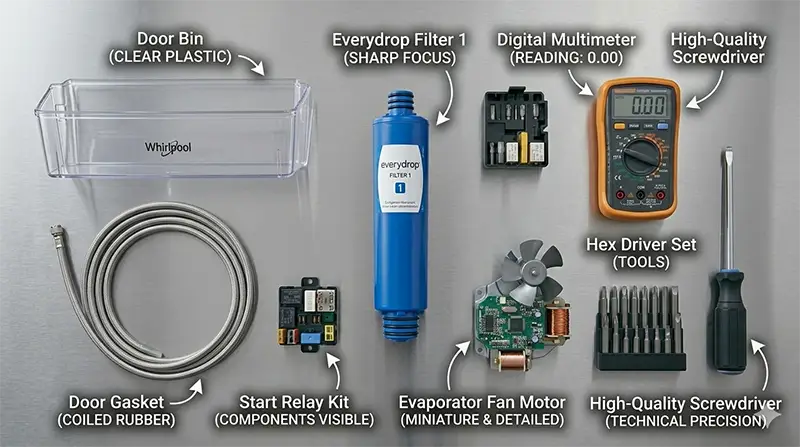
As a homeowner, the decision to repair rather than replace a refrigerator can save significant amounts of money. Whirlpool refrigerators are renowned for their durability, but like any mechanical device, components wear out over time. This guide provides a professional overview of diagnosing issues, identifying the correct components, and executing repairs using high-quality parts.
The Importance of Whirlpool Genuine OEM Parts
When undertaking any repair, the quality of the components you use determines the lifespan of the fix. It is highly recommended to use Whirlpool Genuine OEM Parts (Original Equipment Manufacturer) rather than aftermarket or generic alternatives.
OEM parts are engineered to the exact specifications of your appliance. While generic parts may look similar and boast a lower price tag, they often lack the precise fit and material quality of the original. Using non-OEM parts can lead to:
- Improper Fit: Slight deviations in dimensions can cause leaks (in water systems) or air gaps (in seals).
- Voided Warranties: If your refrigerator is still under warranty, using third-party parts may void your coverage.
- Safety Hazards: Electrical components that do not meet the manufacturer’s strict safety standards pose fire or shock risks.
Investing in genuine parts ensures that your refrigerator operates at the efficiency level intended by the engineers who designed it.
Locating Your Model Number
Before purchasing a single screw or filter, you must identify the specific Model Number of your unit. Whirlpool manufactures a vast array of refrigerator configurations, including French door, side-by-side, and top-freezer models. Parts are rarely universal across these different platforms.
The model number tag is typically found in one of the following locations:
Read more whirlpool refrigerator ice maker not working
- On the interior ceiling of the refrigerator compartment.
- On the interior side wall (left or right).
- Behind the kick plate at the bottom front.
- Inside the door frame.
Once you have this alphanumeric code, cross-reference it with an Appliance Repair Manual or an authorized parts distributor to ensure compatibility.
Routine Maintenance and Consumables
Some parts replacements are not repairs in the traditional sense, but rather required maintenance to keep the machine running cleanly and efficiently.
Refrigerator Water Filter
The Refrigerator Water Filter is the most frequently replaced item. Manufacturers recommend changing this every six months. A clogged filter can lead to low water pressure at the dispenser, smaller ice cubes, and poor-tasting water. Furthermore, an old filter can become a breeding ground for bacteria. When replacing, ensure the cap is aligned correctly to prevent leaks.
Shelf and Bin Replacement
Over time, the plastic interior components can crack due to heavy loads or accidental drops. Shelf and Bin Replacement is generally a tool-free task. However, it is vital to match the bin to the specific door position (upper, middle, or gallon-sized lower bins), as the mounting hooks often differ.
Door Gasket Seal
If your refrigerator seems to run constantly or you notice condensation around the door edges, the Door Gasket Seal may be compromised. A damaged gasket allows warm air to enter and cold air to escape, forcing the compressor to work overtime. You can test this by closing the door on a dollar bill; if you can pull the bill out without resistance, the seal is loose. Replacing the gasket improves energy efficiency immediately.
Read more whirlpool refrigerator door seal replacement
Troubleshooting Cooling and Mechanical Issues
When the refrigerator stops cooling or making ice, the repair becomes more technical. Accurately diagnosing the symptom is the first step toward the correct Whirlpool Refrigerator Parts Replacement.
Ice Maker Assembly
If the ice maker stops producing ice, or if the ice is hollow or clumped, the Ice Maker Assembly is often the culprit. Failures here can stem from the motor module, the mold heater, or the water inlet valve. While individual components within the assembly can sometimes be replaced, it is often more cost-effective and reliable to replace the entire assembly unit.
Read more whirlpool refrigerator water leaking
Evaporator Fan Motor
If you hear a loud humming or screeching noise coming from the freezer compartment, or if the freezer is cold but the fresh food section is warm, the Evaporator Fan Motor may have failed. This fan circulates cold air from the freezer coils to the rest of the unit. When it fails, airflow stops, leading to uneven cooling. Accessing this motor usually requires removing the back panel of the freezer interior.
Defrost Thermostat
Frost buildup on the back wall of the freezer indicates a failure in the defrost system. The Defrost Thermostat is a safety device that clips onto the evaporator coils. It monitors the temperature to tell the defrost heater when to turn off. If this thermostat fails, the heater may not turn on at all (causing frost buildup) or stay on too long (melting your food). Testing this part requires a multimeter to check for continuity at low temperatures.
Critical Electrical Components
For issues involving the refrigerator not starting, clicking sounds, or erratic behavior, the problem likely lies within the electrical control or startup systems.
Relay and Overload Kit
One of the most common reasons a Whirlpool refrigerator fails to cool is a bad start relay. If you hear a distinct “click-click” sound every few minutes but the compressor doesn’t kick on, you likely need a Relay and Overload Kit. This device helps jumpstart the compressor. If it rattles when you shake it, it is broken. This is a relatively easy, high-impact repair that is accessible from the back of the fridge.
Control Board
The Control Board is the brain of the refrigerator. It manages the compressor, defrost cycle, fans, and temperature settings. If the fridge is behaving erratically—such as lights flashing, cooling stopping entirely, or the interface becoming unresponsive—and other components test fine, the main control board may need replacement. This is a delicate electronic part; ensure you ground yourself to prevent static discharge during installation.
Essential Steps for Whirlpool Refrigerator Parts Replacement
Once you have diagnosed the issue and acquired the correct Whirlpool Refrigerator Parts Replacement, follow these general procedural steps to ensure a safe and effective repair.
- Safety First: Always unplug the refrigerator before attempting any repair. If you are working on the ice maker or water valve, shut off the water supply line.
- Access the Component: Consult your Appliance Repair Manual for the specific disassembly procedure. Whirlpool fridges often use ¼-inch hex screws or standard Phillips head screws. Keep track of all screws and clips in a magnetic tray.
- Inspect the Condenser: While you have the refrigerator pulled away from the wall for repairs, check the Condenser Coil. These coils dissipate heat. If they are covered in dust and pet hair, the refrigerator cannot cool efficiently. Cleaning them with a coil brush is a vital maintenance step that protects the compressor.
- Swap the Part: Remove the faulty component. If there are electrical connections, take a photo of the wiring configuration before disconnecting anything. Install the new Whirlpool Genuine OEM Parts, ensuring all wire harnesses click securely into place.
- Reassemble and Test: Reverse the disassembly steps. Once the unit is back together, plug it in. Note that it may take up to 24 hours for the refrigerator to stabilize at the set temperature after a significant repair.
Maximizing Appliance Lifespan
The need for parts replacement is inevitable as an appliance ages, but proactive care can delay major failures.
- Clean the Condenser Coil: As mentioned, a dirty coil kills compressors. Clean it every 12 months.
- Check the Door Gasket Seal: wipe it down with warm soapy water to keep it pliable and sticky.
- Change the Refrigerator Water Filter: Do this on schedule to prevent mineral buildup in the water lines and valves.
- Listen to your Fridge: New noises are early warning signs. Addressing a noisy Evaporator Fan Motor early can prevent it from seizing and overheating the surrounding circuits.
Conclusion
Mastering the basics of Whirlpool Refrigerator Parts Replacement empowers homeowners to extend the life of their appliances and avoid the high costs of professional service calls or total unit replacement. By prioritizing Whirlpool Genuine OEM Parts, correctly identifying your Model Number, and following proper safety protocols, you can tackle everything from a simple Shelf and Bin Replacement to a complex Relay and Overload Kit installation.
Remember that while many repairs are DIY-friendly, troubleshooting complex electrical issues involving the Control Board or sealed system refrigerant leaks may require professional assistance. However, for the majority of mechanical and cosmetic issues, a targeted replacement is the smartest investment you can make for your kitchen.
Read more whirlpool refrigerator water filter replacement schedule
Frequently Asked Questions
Why should I use Whirlpool Genuine OEM parts instead of cheaper aftermarket alternatives?
Whirlpool Genuine OEM parts are engineered specifically for your refrigerator’s dimensions and electrical requirements. Using generic parts can lead to improper fits, such as air gaps in seals or water leaks, and may pose safety hazards like electrical fires. Additionally, installing non-OEM parts can void your manufacturer’s warranty.
Where is the best place to look for my refrigerator’s model number?
The model number is essential for finding the right parts and is usually found on a sticker in one of four places: the interior ceiling of the refrigerator, the interior side walls, behind the bottom kick plate, or inside the door frame. You should locate this alphanumeric code before ordering any replacement components.
How do I know if my refrigerator’s door gasket needs to be replaced?
You can perform a “dollar bill test” by closing the refrigerator door on a dollar bill. If you can pull the bill out easily without resistance, the seal is loose and allowing cold air to escape. Other signs include visible condensation around the door edges or a compressor that runs constantly.
What is the most likely cause of a clicking noise coming from the back of the fridge?
A distinct “click-click” sound every few minutes usually indicates a failing Relay and Overload Kit. This component is responsible for jumpstarting the compressor. When it fails, the compressor cannot start, and the refrigerator will stop cooling. This is a common and relatively simple part to replace.
How often should I perform routine maintenance like cleaning coils and changing filters?
The water filter should be replaced every six months to ensure water quality and pressure. The condenser coils, located at the back or bottom of the unit, should be cleaned with a brush every 12 months to prevent the compressor from overheating and to maintain energy efficiency.