
Whirlpool Vs Lg Refrigerator
The Ultimate Appliance Guide: Whirlpool Vs Lg Refrigerator
When outfitting your modern kitchen with premium appliances, analyzing a Whirlpool Vs Lg Refrigerator is a crucial step that often dominates consumer research. Both of these industry-leading brands offer a compelling array of technological advancements, distinct design aesthetics, and robust performance metrics that cater to different household lifestyles. Choosing the right appliance requires careful consideration of mechanical engineering, interior storage flexibility, energy consumption, and overall long-term value. In this comprehensive professional guide, we will analyze the core differences, technological features, and unique innovations of both brands to help you make a highly informed purchasing decision.
Whirlpool Vs Lg Refrigerator: An In-Depth Comparison
When comparing these two titans of the home appliance industry, it is essential to look beyond the exterior finish and marketing claims. We must dive deeply into the structural layouts, compressor technologies, and smart home integrations that define everyday convenience and performance.
Read more whirlpool side by side refrigerator reviews
Reliability and Durability
The most critical factor for any homeowner purchasing a large appliance is its overall Reliability and Durability. A refrigerator is a long-term household investment, and you need it to function flawlessly day in and day out. Whirlpool has long been heralded as a champion of traditional, rugged manufacturing. Built largely in North America, Whirlpool appliances are known for their straightforward, tested engineering. This design philosophy often translates to fewer electronic malfunctions over time and ensures that, should a problem arise, replacement parts are highly accessible and affordable. The brand focuses heavily on building workhorse machines that stand the test of time without overcomplicating the user experience.
LG, a leading South Korean technology giant, approaches manufacturing with a focus on high-end materials, premium build quality, and advanced internal mechanics. While LG appliances boast incredibly low out-of-the-box defect rates, their highly computerized systems can sometimes require specialized technicians for servicing. However, LG has made massive strides in recent years to enhance the longevity of their core components, backing their motors and sealed systems with extensive, industry-leading manufacturer warranties. When weighing these two brands, Whirlpool leans into tried-and-true mechanical longevity, while LG provides cutting-edge technology backed by premium component warranties.
Configuration and Design: Finding the Right Fit
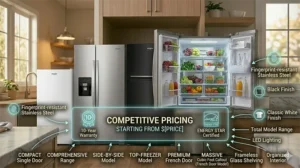
Both brands offer extensive product catalogs that include every major appliance configuration, allowing consumers to maximize their unique kitchen layouts. Whether you are searching for a spacious French Door Refrigerator to become the centerpiece of your kitchen or a traditional Side-by-Side Refrigerator for better vertical organization, both Whirlpool and LG have premium offerings that deliver exceptional value.
Read more whirlpool refrigerator troubleshooting
LG is universally recognized for pushing the boundaries of modern appliance aesthetics. Their models frequently feature sleek, pocket handles, fingerprint-resistant stainless steel finishes, and a highly contemporary design language that blends seamlessly into custom cabinetry. The interior design of an LG French Door Refrigerator usually prioritizes flexible, tempered glass shelving, theater-style LED lighting, and premium metallic accents that elevate the user experience every time the doors are opened.
Whirlpool, conversely, embraces a more classic, universally appealing design ethos. Their Side-by-Side Refrigerator models are particularly popular for their excellent use of vertical space and highly practical organizational compartments. Whirlpool focuses heavily on everyday usability, ensuring that door bins are wide enough for heavy gallon jugs and that interior shelves can be easily adjusted to accommodate oversized items without requiring complex maneuvering.
Cooling Technologies and Compressor Engineering
The heart of any modern refrigerator is its cooling system, and this is where the engineering philosophies of both companies distinctly diverge. Exceptional temperature management is the key to preserving food longer and reducing household waste.
LG utilizes highly sophisticated proprietary technology to maintain optimal interior climates. Many of their top-tier units are powered by an advanced Linear Compressor. This engineering marvel operates with fewer moving parts than a standard rotational compressor, thereby significantly reducing mechanical friction, minimizing operational noise, and extending the lifespan of the motor. Additionally, LG incorporates the Smart Inverter Compressor into its product line, a technology that dynamically adjusts cooling power based on the volume of food stored inside and external temperature fluctuations. This results in incredibly consistent internal climates and rapid, powerful cooling immediately after the doors are closed.
Read more whirlpool refrigerator not cooling
Whirlpool counters with its own suite of highly effective, proprietary temperature control systems designed for stability and efficiency. One of the standout features in premium Whirlpool units is the Accu-Chill Temperature Management system. This intuitive technology utilizes strategically placed built-in sensors to continuously measure the internal environment, activating the compressor only when necessary to deliver efficient, targeted cooling. To further optimize mechanical performance, Whirlpool integrates sophisticated Adaptive Defrost technology. Instead of running a generic defrost cycle on a set daily timer—which can waste significant energy and cause unwanted temperature spikes—the Adaptive Defrost system monitors the freezer environment and runs the cycle only when frost buildup is actually detected. This intelligent monitoring preserves frozen goods better and substantially lowers energy consumption.
Smart Features and Modern Innovations
In today’s highly connected home ecosystem, smart features are no longer viewed merely as a luxury; they are highly sought-after tools for enhanced convenience and efficiency. LG is undeniably a market leader in this specific technological category. Their flagship innovation is the critically acclaimed InstaView Door-in-Door feature. By simply knocking twice on the sleek, tinted glass panel, the interior illuminates, allowing you to see inside the easy-access beverage compartment without opening the main door and letting cold air escape. Furthermore, LG’s ThinQ application integration includes Smart Diagnosis, a remarkably helpful analytical feature that allows the appliance to communicate directly with your smartphone or a customer service center to instantly troubleshoot potential issues, saving you valuable time and money on unnecessary service calls.
Whirlpool takes a more conservative, utility-focused approach to smart technology. While they do offer Wi-Fi-connected models featuring remote temperature control and door-ajar notifications, their primary focus remains strictly on features that directly impact food preservation rather than flashy exterior tech. For users who prefer a straightforward appliance without the need to connect their kitchen to a digital network, Whirlpool’s interface is exceptionally intuitive, reliable, and user-friendly.
Storage Efficiency and Total Capacity
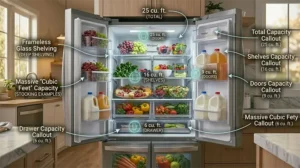
When assessing how much household food you can realistically store, looking at the Total Capacity is paramount. However, total cubic footage only tells part of the story; how that interior space is practically utilized is equally important for daily convenience.
Read more whirlpool refrigerator organize interior
Whirlpool refrigerators frequently emphasize highly accessible Total Capacity, designing their deep interiors with tiered shelving, specialized temperature-controlled pantry drawers, and expansive in-door storage solutions. They aim to provide practical, wide-open spaces that can easily accommodate large holiday platters, oversized pizza boxes, and bulk grocery hauls.
LG expertly matches this capacity but often introduces highly specialized compartments to elevate the daily user experience. For families who entertain frequently or consume a high volume of cold beverages, LG’s advanced ice-making capabilities are a massive draw. Many premium LG models feature a Dual Ice Maker, which dispenses standard cubed or crushed ice from the door dispenser while simultaneously producing slow-melting, spherical craft ice in the lower freezer compartment. Whirlpool also offers robust dual ice systems in select large-capacity models, ensuring you never run out during a family gathering, though LG’s exclusive craft ice provides a distinctly luxurious touch for home mixology.
Energy Efficiency and Environmental Impact
Both manufacturers are deeply committed to corporate sustainability and helping consumers reduce their monthly household utility bills. A critical specification to prioritize when comparing models is the coveted Energy Star certification. Appliances that earn an Energy Star certification meet or exceed strict energy efficiency guidelines set forth by the U.S. Environmental Protection Agency and the Department of Energy.
Because of the frictionless efficiency of LG’s Smart Inverter Compressor and the intelligent monitoring capabilities of Whirlpool’s Adaptive Defrost and Accu-Chill Temperature Management systems, both brands offer a vast array of Energy Star-certified refrigerators. These environmentally friendly models use significantly less electricity than older, legacy units, thereby reducing your household’s carbon footprint while simultaneously lowering your monthly electric bills. LG sometimes edges out the competition in sheer energy savings due to the cold-air retention provided by the InstaView Door-in-Door design, but Whirlpool remains highly competitive in all overall efficiency metrics.
Final Verdict: Which Brand Should You Choose?
Deciding between a Whirlpool and an LG refrigerator ultimately comes down to analyzing your personal household priorities, budgetary constraints, and aesthetic design preferences.
Choose an LG refrigerator if you are a technology enthusiast who values premium modern aesthetics, cutting-edge smart home integrations, and specialized luxury features. If the idea of utilizing an InstaView Door-in-Door compartment for quick access to everyday snacks, leveraging a Dual Ice Maker for crafting artisan beverages, and managing your appliance via a highly advanced digital ecosystem equipped with Smart Diagnosis appeals to you, LG is the superior choice. Their sleek, contemporary French Door Refrigerator models are practically guaranteed to elevate the sophisticated look of any newly renovated modern kitchen.
Choose a Whirlpool refrigerator if your primary household concerns are straightforward usability, proven Reliability and Durability, and a classic, universally appealing design. If you want a highly dependable, American-heritage workhorse equipped with practical, food-saving technologies like Accu-Chill Temperature Management and Adaptive Defrost, Whirlpool will not disappoint. Their smartly organized Side-by-Side Refrigerator layouts are incredibly spacious and deeply practical, making them an excellent long-term investment for large families who need to maximize their usable Total Capacity without worrying about navigating complex electronic interfaces.
Both Whirlpool and LG manufacture exceptional, industry-leading appliances that are backed by comprehensive warranties and decades of engineering expertise. By carefully evaluating the distinct features and technological philosophies detailed in this guide, you can confidently select the refrigerator that perfectly aligns with your culinary lifestyle and daily food preservation needs.
Frequently Asked Questions
Which brand is generally considered more reliable for long-term use?
Whirlpool is widely recognized for its traditional, rugged engineering and straightforward mechanical designs, which often lead to fewer electronic malfunctions and easier access to affordable replacement parts. While LG offers premium build quality and industry-leading warranties on its motors, its highly advanced computerized systems may sometimes require specialized technicians for repairs.
What are the main differences in cooling technology between Whirlpool and LG?
LG focuses on mechanical innovation with its Linear and Smart Inverter Compressors, which reduce friction and noise while providing consistent internal temperatures. Whirlpool utilizes sensor-based technology like the Accu-Chill Temperature Management system and Adaptive Defrost, which monitor the environment and run cooling or defrost cycles only when necessary to maximize efficiency.
Which refrigerator brand is better for a tech-savvy smart home?
LG is the clear leader in smart home innovation. Features like the InstaView Door-in-Door, which allows you to see inside the fridge by knocking on a glass panel, and the ThinQ application with Smart Diagnosis make it ideal for those who want a connected kitchen. Whirlpool offers basic Wi-Fi connectivity on select models but prioritizes a more traditional, user-friendly interface.
Do both brands offer Energy Star-certified models?
Yes, both Whirlpool and LG are committed to sustainability and offer a wide range of Energy Star-certified appliances. LG often achieves high efficiency through its frictionless compressor technology and air-saving door designs, while Whirlpool reaches its efficiency goals through intelligent monitoring systems that reduce unnecessary energy consumption during cooling and defrosting cycles.
Read more whirlpool refrigerator door bins organization